Yemen’s Iran-backed Houthis said they struck the Rabigh oil refinery on Saudi Arabia’s Red Sea coast on Sunday, claiming a direct hit, while Iran fired on Bahrain a day earlier, widening a weekend of Gulf attacks that markets so far have treated as contained. The extent of any damage at Rabigh was unclear, and Saudi authorities had not confirmed a hit.
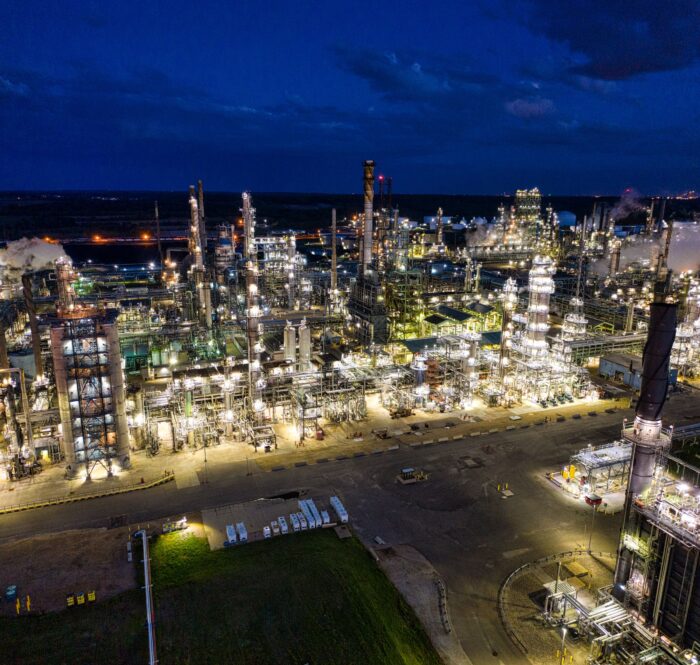
The Saudi-led coalition said its air defenses destroyed a Houthi ballistic missile launched late Saturday toward the kingdom’s western region, home to sensitive refining and export infrastructure. On Sunday it said it downed a Houthi drone; accounts differed on whether it was heading for the western region or the Riyadh area. Rabigh sits about 165 kilometers (100 miles) north of Jeddah and hosts Petro Rabigh, a refining and petrochemical complex developed by Saudi Aramco and Japan’s Sumitomo Chemical.
In Bahrain, the Interior Ministry said an Iranian attack on Saturday hit a civilian industrial facility and started a fire, injuring a Bahraini citizen and a Pakistani resident. Iranian state media said the Revolutionary Guards fired missiles and drones at U.S. military facilities on the island, which hosts the U.S. Navy’s Fifth Fleet, and separately claimed to have shot down a U.S. MQ-9 drone. The U.S. Central Command had not responded to either claim, and the drone report is unverified.
President Donald Trump said in a Saturday interview that he was inclined to order strikes on Tehran next year if the two sides fail to finalize an agreement. He called Iranian officials more aggressive than before the U.S. election and accused them of stalling. Trump has alternated between favoring a deal and saying Washington need not rush one.
Iranian Foreign Minister Abbas Araghchi said Tehran remains open to a negotiated end to the war but that the June Islamabad memorandum is no longer on the table. He said the commitments both sides accepted in it, and the principle that carrying them out can lead to a final accord, still stand. Deputy Foreign Minister Kazem Gharibabadi met Qatari mediators for two hours and said Iran is in contact with them to see whether diplomacy can get another chance.
Oil has so far looked past the escalation. Brent futures were down 0.22% at $92.35 a barrel in early Asian trade on Sunday and West Texas Intermediate was down 0.19% at $83.25. For the week, Brent fell 3.4% and WTI fell 5.2%, a third straight weekly decline, as traders weighed strong Middle East flows and rising U.S. inventories.

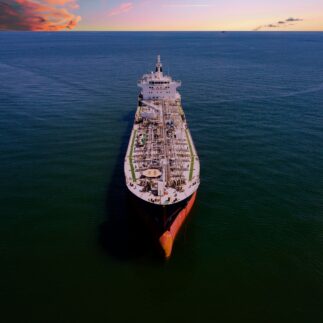
The shipping picture is less settled than the price. The UK Maritime Trade Operations center reported two tankers struck by unidentified projectiles near Oman on Saturday and a further incident involving a tanker and military forces in the Gulf of Oman on Sunday, without details. Iran has imposed curbs on vessels moving through the Strait of Hormuz, which carried about a fifth of the world’s crude shipments before the war, and the restrictions remain a major sticking point in negotiations.
The war began with U.S. and Israeli airstrikes on Iran on Feb. 28, 2026. Several of the weekend’s claims, including the Houthi statement on Rabigh and the Iranian drone report, come from the parties themselves and have not been independently verified.