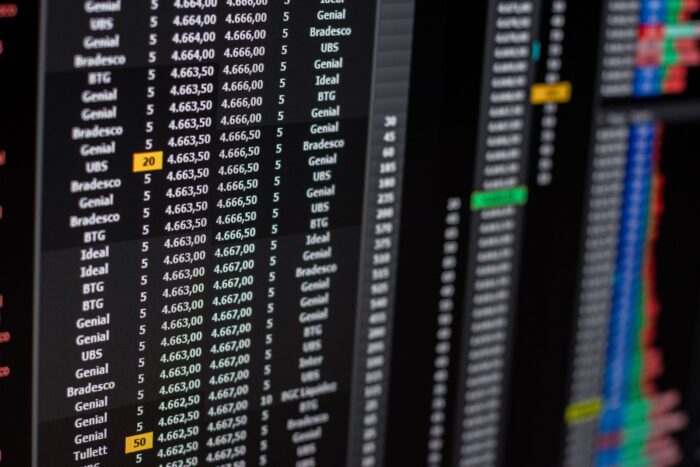
U.S. equity futures rallied sharply on Monday as buyers returned to AI-linked shares after a rout that pushed two of the three main U.S. indexes into correction. At 5:17 a.m. New York time, Nasdaq-100 E-mini futures were up 884.75 points, or 3.52%, S&P 500 E-minis were up 188.75 points, or 2.72%, and Dow E-minis were up 933 points, or 1.94%.
The bounce follows a Friday session in which the S&P 500 and the Dow Jones Industrial Average each closed more than 10% below their record highs, confirming corrections. The Nasdaq Composite stands about 18% below its peak, and the Nasdaq-100 is 19.8% below its Oct. 6 closing high, just short of the 20% threshold that defines a bear market.
Chipmakers and AI infrastructure names led the premarket move. Nvidia gained 8.7% after its longest weekly losing streak since 2008. Micron rose 7%, AMD 5.8% and Broadcom 5.7%. Among the AI data-center and compute providers that had been hit hardest, CoreWeave climbed 10.1%, IREN 10.2%, Nebius 11.1%, Applied Digital 9.8% and Core Scientific 8%.
Anthropic shares, which debuted on Thursday and quickly lost momentum, were up 4.8% premarket after dropping 8.5% on Friday.
In the software and cybersecurity group, Zscaler rose 12.8% after CrowdStrike agreed to buy it in an all-stock deal valuing the company at about $43.9 billion. CrowdStrike fell 2.6%.
The macro backdrop has not eased. Traders priced about a 96% probability of a 25-basis-point Federal Reserve rate increase at the December meeting on CME’s FedWatch tool, after hawkish signals from policymakers and the latest meeting minutes weighed on sentiment. New York Fed President John Williams was scheduled to speak Monday, S&P Global’s November composite PMI readings were due, and Wednesday’s PCE inflation report is the key data release of the week.
A premarket move of this size does not by itself mark a turn. Swissquote Bank senior analyst Ipek Ozkardeskaya said that as long as volatility stays elevated, even a sharp bounce is hard to read as the start of a sustainable recovery. Saxo Bank chief investment strategist Charu Chanana said markets could recover before uncertainties disappear, and that a rebound does not require the underlying problems to be solved, but that investors must distinguish temporary valuation pressure from lasting damage to profits.
Concerns also persist that AI spending could slow after the U.S. midterm elections, a worry cited alongside the Fed’s tightening bias as a weight on technology valuations. The premarket gains in the AI cohort come against the scale of the prior decline: the Nasdaq-100’s drop from its October peak is close to 20%, so even a 3.5% futures gain recovers only a fraction of it.
Sources: freemalaysiatoday.com, finwire.io, Bloomberg.