U.S. warplanes struck an Iranian missile launch site on Qeshm Island, in the Strait of Hormuz, late on Tuesday, and Iran answered on Wednesday morning with drones fired at a base in Kuwait. Brent crude fell about 2% in early trading to $91.50 a barrel.
A U.S. military official, speaking on condition of anonymity, said the target was a facility of the Islamic Revolutionary Guard Corps and that the raid was a response to earlier Iranian attacks on U.S. personnel and assets. Iranian media said several locations on the island were hit and reported no casualties and no damage to critical or public-service infrastructure.
Iranian state media said Tehran fired drones at U.S. air defenses and missile launchers at a Kuwaiti base. Kuwait’s army said it intercepted drone attacks and gave no further detail. It was the first Iranian attack on Kuwait in about two months. Bahrain said it intercepted Iranian projectiles at around the same time. No casualty figures were reported in Kuwait, Bahrain or on the U.S. side.
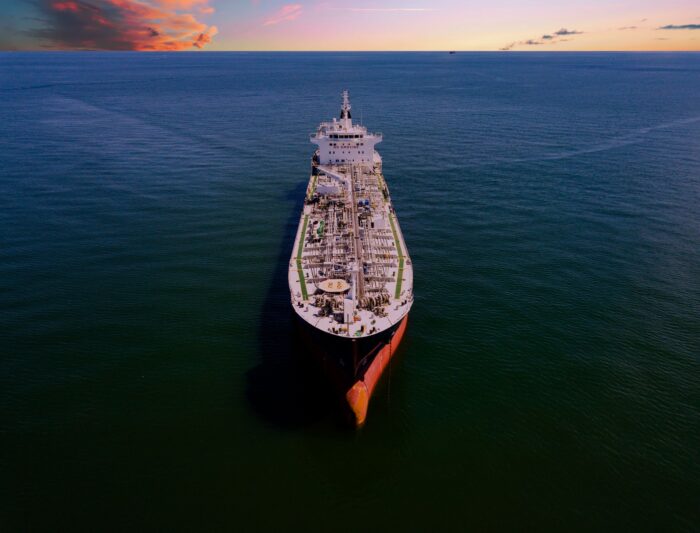
Iran has continued to attack energy tankers and container ships in the strait at roughly one a day on average, and it has targeted Bahrain several times in the past week, saying it was aiming at U.S. radar and other military systems. The Houthis targeted Riyadh again on Wednesday, and a Saudi-led coalition said it destroyed 60 Houthi-controlled military targets.
The exchange comes as peace talks make little progress. Qatar, the main mediator, was due to meet Iranian representatives on Tuesday. Neither side has shown willingness to compromise on lifting the U.S. naval blockade or on Iran’s nuclear program. The USS Theodore Roosevelt, a third U.S. aircraft carrier, arrived in the Middle East this week.
Brent remains up about 50% this year but is down from $117 just before the U.S. midterm elections. Both sides have stepped up strikes, though not to the level of the first phase of the war, which ran from late February to early April, after the U.S. and Israel began bombing Iran on Feb. 28.
The price reaction was muted against the scale of the flare-up, and the fall came even as shipping attacks continued. Washington’s own position also shows strain: the war’s unpopularity contributed to the Republican Party losing control of Congress after the midterms, and President Donald Trump is under pressure to wind it down, even as he says U.S. forces remain “locked and loaded.”

Less noticed was a warning on Tuesday from Iran’s parliamentary speaker and lead negotiator, Mohammad Bagher Ghalibaf, that Tehran would retaliate against civilian infrastructure near U.S. and Israeli bases if Washington did the same. He was reacting to a press report that water infrastructure sites in Iran may have been developed to support the country’s military buildup, which he said amounted to “prepping the next round on civilian” targets. That report did not say the U.S. or Israel was considering strikes on Iranian dams.
Qeshm was also the target of limited U.S. attacks earlier this month, which Washington described as defensive and aimed at helping tankers and other vessels pass safely. Trump said on Tuesday that his government is investigating potential Iranian plans to bomb American officials in Washington.
Sources: businessmirror.com.ph, Bloomberg.