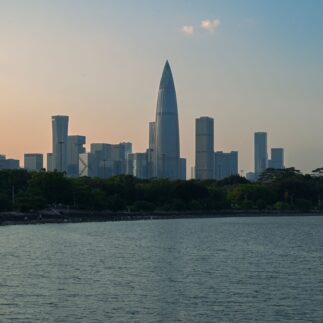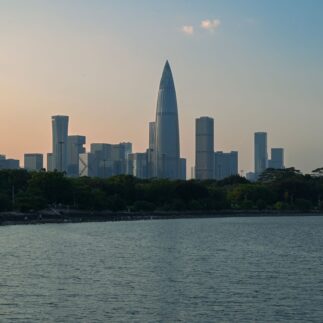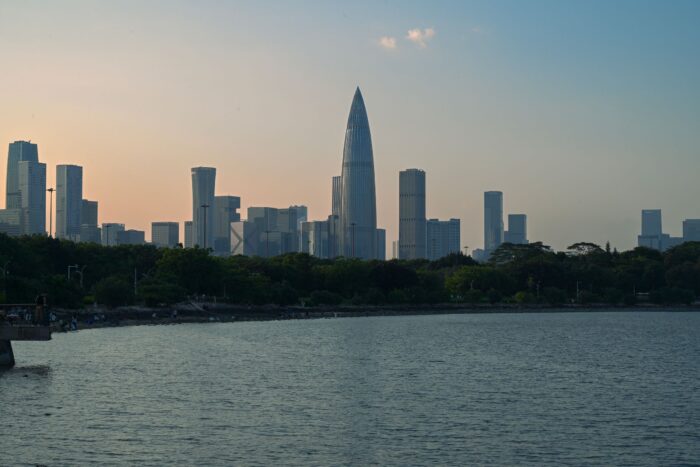
Russian President Vladimir Putin and Chinese President Xi Jinping criticized trade barriers on Wednesday as the Asia-Pacific Economic Cooperation summit opened in Shenzhen, the day before an unprecedented three-way meeting with U.S. President Donald Trump. Putin accused formerly dominant powers of trying to hold back rising competitors, and the Kremlin said he and Trump would hold a full-fledged conversation on the sidelines.
The trilateral is planned for Thursday and is the first gathering of the leaders of the world’s three largest nuclear powers. The White House confirmed it on Friday and the Kremlin followed on Saturday. The summit runs Nov. 18 and 19 and brings together 21 economies.
The U.S. has said talks will center on nuclear proliferation and the Iran war. A senior U.S. official described the session as the beginning of a conversation on disarmament and said no agreements are expected to be announced. New START expired in February, and Trump rejected Russia’s call to extend it by a year, asking instead for a new, modernized deal that includes China. Beijing said last month it would be neither fair nor realistic to ask it to join trilateral arms talks at this stage. The Pentagon puts China’s arsenal at more than 600 warheads, against estimates of more than 5,000 each for the U.S. and Russia.
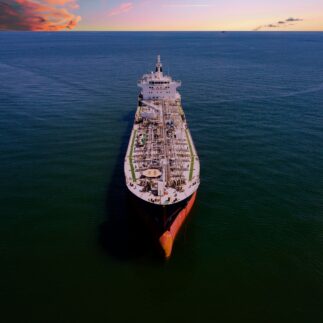
The energy backdrop is tight. The Strait of Hormuz has been closed for more than 100 days, and ships still face Iranian strikes and sea mines. About one-third of China’s crude supply passed through the waterway before the war began on Feb. 28. Russia has gained from higher energy prices and from recent U.S. sanctions relief, particularly a deal that lifted restrictions on diesel sales and allowed millions of tons of Russian fuel into the market.
Beijing is Moscow’s largest trading partner and has increased purchases of Russian energy since Western sanctions took hold, while ignoring Western demands to curb supplies of key technologies. Putin and Xi have met more than 40 times since 2013. Trump and Putin have met face to face seven times, most recently in Alaska in August 2025, and Trump and Xi eight times, including Xi’s September state visit to Washington.
Several points cut against the idea of a sweeping outcome. The U.S. side has said Trump will steer away from Ukraine, and the topic is considered unlikely to be raised, although Russian state media have said it would be among the subjects. Kyiv has voiced concern that the format could become a platform for a Ukraine deal made without it. Kremlin spokesman Dmitry Peskov dismissed comparisons to the 1945 Yalta conference, saying agreements cannot be imposed on other nations, while Duma foreign affairs chairman Pyotr Tolstoy said the meeting could lead to a new Yalta.

Less noticed is the tariff history in the room. Trump raised duties on Chinese goods to 145% last year and Beijing responded with 125% levies on U.S. imports; both sides have since lowered tariffs and struck several deals after meetings in South Korea and Washington. Analysts also note that a trilateral format could run counter to China’s stated support for multilateralism, and that Trump’s Republican Party suffered a major defeat in last week’s midterm elections, which may weaken his leverage.
Sources: Bloomberg, kptv.com, Al Jazeera.