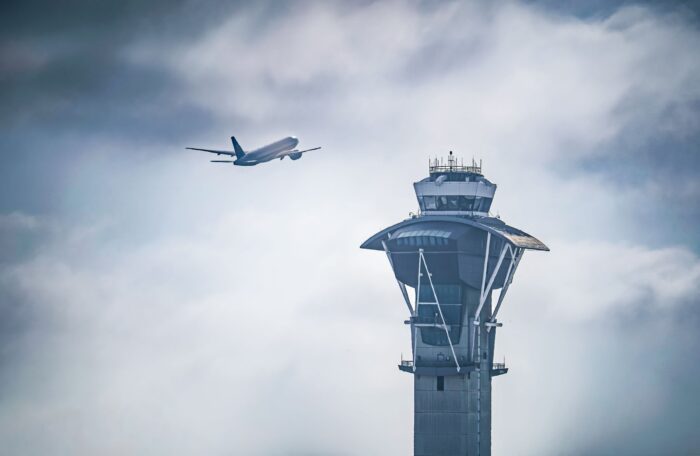
The Federal Aviation Administration halted all departures across the United States for more than four hours on Friday, Nov. 13, after instability in its radar and communications network spread through the air traffic system. Transportation Secretary Sean Duffy has since asked Congress for billions of dollars in additional funding to modernize equipment he calls outdated.
Trouble began shortly after 3:30 p.m. ET. The FAA issued the nationwide ground stop at 3:54 p.m., with about 3,500 aircraft in the air at the time, and lifted it at 8:15 p.m. It was only the second nationwide ground stop since the Sept. 11, 2001 attacks; the previous one, in January 2023, followed a failure in the system that issues notices to pilots.
Duffy said overloaded switches and routers began returning inconsistent data, which led the agency to shut the system down. He later said that work by FAA contractor L3Harris to replace a copper line with fiber at a remote site in El Dorado, Arkansas, triggered problems with a recently replaced router in Amarillo, Texas. That router began broadcasting data and overloaded routers at other control centers, he said. FAA Administrator Bryan Bedford said the surge overwhelmed routers at one center and spread to backup routers elsewhere.
The disruption carried through the weekend. Flight-tracking data showed 10,987 U.S. flights delayed and 2,336 canceled on Sunday. By 9 a.m. ET on Monday, about 1,500 flights were delayed and nearly 300 canceled. American Airlines had the most Monday cancellations at 157, followed by SkyWest at 38, and Dallas-Fort Worth and Chicago O’Hare led all airports for cancellations. Duffy said airlines needed time to reposition crews and aircraft, and he expected operations to be back to normal by Monday.
Duffy has described the air traffic control system as incredibly old and reliant on analog telecom links, and called the episode an emergency that requires more funding. President Donald Trump also called for additional money. Senior Democrats were skeptical, pointing to funds they say have gone unspent. Duffy responded that those funds were earmarked for specific purposes and did not include new airspace software.
Homeland Security Secretary Markwayne Mullin said there was no evidence of a cyberattack, though it had not been formally ruled out. Duffy said the agency was still working on the details of what went wrong, and the FAA has not announced a final root cause.

The company behind a separate AI-based air traffic tool, AirSpace Intel, said the outage was not based on or a result of its SMART system. Duffy said there was no possible way that system could have affected what happened.
The scale of the episode left a gap in what is publicly known: the FAA has not published a count of Friday’s cancellations, and the figures available are daily tallies from flight-tracking data rather than an official total. Lawmakers including Rep. Hakeem Jeffries have called it an unprecedented breakdown, and Sen. Tammy Duckworth said she would demand answers from the agency.
Sources: abcnews.com, nbcnews.com, Bloomberg.