Oil prices steadied on Thursday after a decline earlier in the week, with Brent near $92 a barrel and West Texas Intermediate around $83, as fresh reports of tankers striking mines in the Strait of Hormuz were weighed against a growing sense of oversupply.
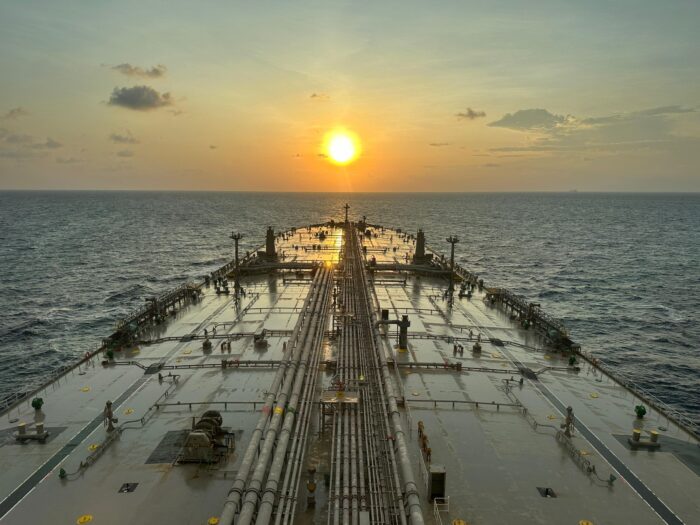
Iran’s Revolutionary Guard navy said two supertankers carrying more than 4 million barrels of crude caught fire after hitting mines while using an unauthorized route through the strait. Iran’s army separately said three oil tankers were disabled on Wednesday after striking naval mines in the eastern part of the waterway. Both accounts come from Iranian military sources, and the details have not been independently confirmed.
Tehran has set a designated channel for vessel movement and issues near-daily reports of ships hitting mines when they leave it. Iran has also designated more than half of the tankers that Gulf producers use to shuttle crude to the Gulf of Oman and on to global markets, according to tanker-tracking data. The restrictions have not so far cut the volume moving through that relay, as exporters have added another stage of ship-to-ship transfers.
The market reaction has been muted by the supply backdrop. ING commodity strategists said in a Wednesday note that further disruption around Hormuz remains an important upside risk, but that rising OPEC+ output, resilient Russian exports and building U.S. inventories point to a more comfortable supply picture. They expect the market to rebalance gradually, which limits the room for higher prices.
U.S. stocks have added to that picture. Gasoline inventories jumped 5.2 million barrels in the latest weekly data, and crude prices have slid from the levels reached earlier in the month even as the attacks on shipping intensified.
Flows out of the Persian Gulf remain below pre-war levels, tanker tracking shows, though they are well above the lows of the war’s early months. That gap is the main reason the shipping incidents have moved prices less than their frequency might suggest: the physical shortfall has been narrowing while the headline risk has risen.

Demand-side pressure is also in the mix. The Federal Reserve has signaled it may raise rates again at its December meeting, a move that would weigh on growth in oil consumption.
The mine reports arrive alongside wider escalation. Iran struck a U.S. military radar system in Bahrain, and the Saudi Public Investment Fund’s Riyadh headquarters was damaged this week, extending the conflict’s reach to Gulf financial assets as well as energy infrastructure.
Sources: Bloomberg, oilprice.com, Yahoo Finance.