Iran’s Supreme Leader Mojtaba Khamenei ordered the military to update its list of U.S. and Israeli targets and warned of an “immediate and effective response without geographic limits” to any new attack, as the Trump administration weighs renewed strikes after Tuesday’s U.S. midterm elections and talks through Qatari mediators continue. Khamenei’s statement, posted on Telegram on Saturday, said every threat must be met with an immediate response.
Khamenei met the chief of staff, Ali Abdollahi, the army commander, Amir Hatami, and the Revolutionary Guards chief, Ahmad Vahidi, the first publicly reported meeting with the three since hostilities began, according to La Voce di New York and WEAR. He has not appeared in public since the war started on Feb. 28, when U.S.-Israeli strikes killed his father, Ali Khamenei. Abdollahi said Iranian forces would not wait for an attack to begin before choosing the time and manner of their response once hostile action is confirmed.
U.S. Secretary of State Marco Rubio said no decision has been made to resume strikes and that President Donald Trump prefers a diplomatic solution, while the U.S. retains the capability to pursue any military objective. Rubio called an Iranian threat to hit regional energy infrastructure “not normal behavior,” according to a report in the Spokesman-Review. Trump earlier said there would be no attacks before the midterms but did not rule out action afterward, Gulf News reported.
Reports on U.S. preparations differ in detail. The Wall Street Journal reported that Washington warned Gulf countries to prepare for possible renewed strikes after Tuesday’s election, and MS NOW, citing three regional officials, reported that Gulf allies were briefed on possible strikes as soon as Nov. 4. The White House declined to comment on the MS NOW report. Fox reported that U.S. Central Command briefed Trump on military options on Thursday.
On the diplomatic track, Foreign Minister Abbas Araghchi said an Iranian delegation met Qatari mediators in Doha and discussed a plan to reopen the Strait of Hormuz in two days, faster than an earlier seven-day proposal, subject to Iranian conditions that include sanctions relief and the release of frozen assets. He described a recent letter from Vice President JD Vance as a positive step, though Iran has not announced a response and has said no meetings with U.S. officials are planned, according to Gulf News.
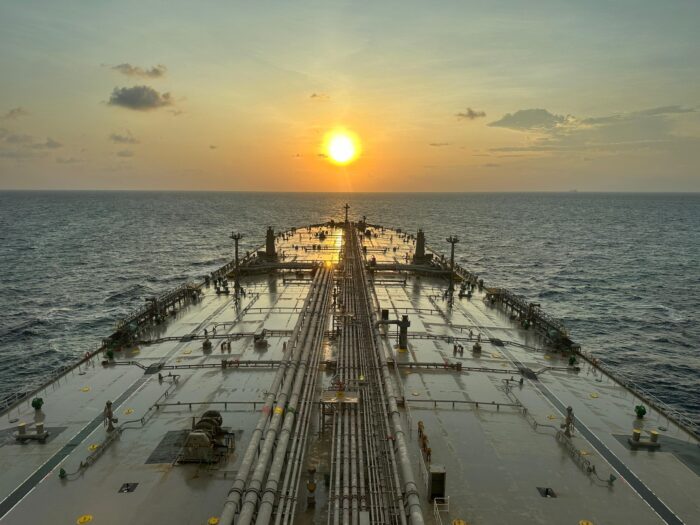
The strait normally carries about one-fifth of global oil consumption, and Iran has restricted shipping through it, Gulf News said. Renewed fighting could push energy prices higher.

Regional governments have pressed for restraint. Arab officials at a security forum in Bahrain urged efforts to prevent renewed fighting and warned that another round could be more destructive, WEAR reported, and Saudi Vice Minister Waleed ElKhereiji said the region wants peace. Bloomberg’s headline on Sunday said Gulf states fear fiercer Iranian retaliation if the U.S. strikes again.
The accounts of U.S. planning rest on unnamed officials and media reports that Washington has not confirmed. Khamenei, who communicates only through written statements, has made no audio or video address since the war began, according to La Voce di New York.
Sources: spokesman.com, gulfnews.com, lavocedinewyork.com, weartv.com, Bloomberg.