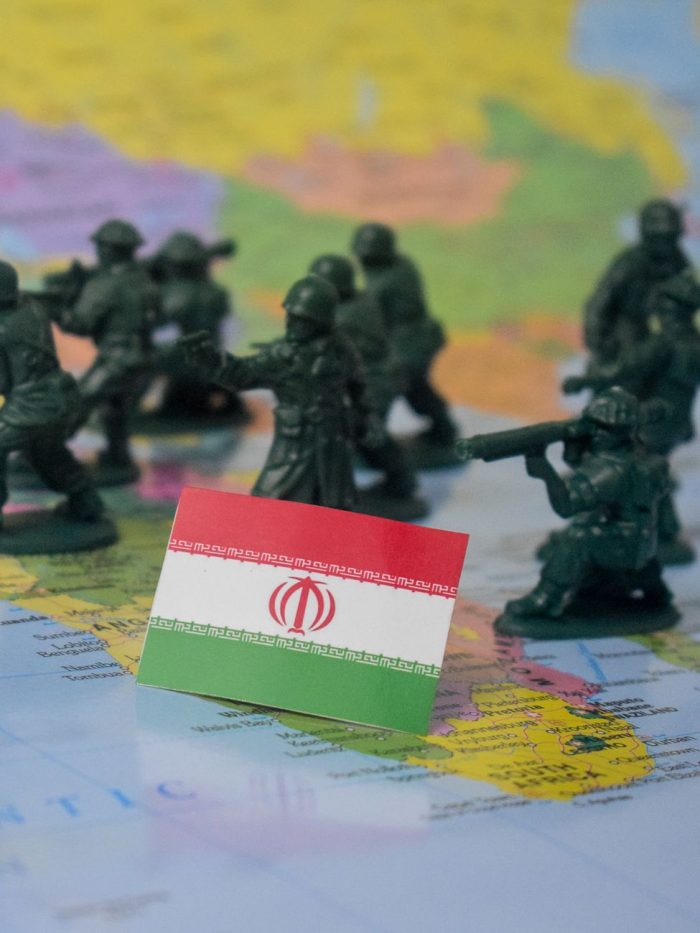
The U.S. military campaign against Iran has not compelled the regime to capitulate after nearly six months of conflict that began in late February. Facing a shortfall of key munitions and public wariness over continued fighting, President Donald Trump and senior officials are reverting to economic measures, including stepped-up sanctions and a naval blockade aimed at curtailing Iranian oil exports. The approach revives elements of the maximum-pressure campaign from Trump’s first term and is now referred to internally as Operation Economic Fury under Treasury Secretary Scott Bessent. U.S. Ambassador to the United Nations Mike Waltz described the effort on Aug. 10 as devastating the Iranian economy, noting that Iranians fear Bessent more than Defense Secretary Pete Hegseth. Trump told Axios on Aug. 9 that the administration is “low-keying it,” adding that officials are watching Iran’s high inflation and lack of funds.
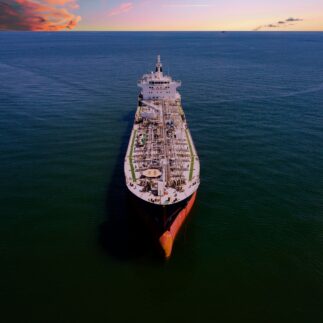
U.S. forces have expended virtually all of their stockpiles of Army Tactical Missile Systems and Precision Strike Missiles during the campaign, according to people familiar with inventory data. Stocks of Patriot and Terminal High Altitude Area Defense interceptors have also declined sharply, with estimates showing reductions of more than 60 percent for Patriots from pre-war levels. The naval blockade, in place since April and temporarily eased in June under a memorandum of understanding before being reinstated, has reduced Iranian crude loadings and exports. Average seaborne exports fell from pre-war levels near 1.7 million to 2 million barrels per day to as low as several hundred thousand barrels per day during peak enforcement periods. Iran’s year-on-year inflation reached 88.6 percent in the period covering late May to late June and stood at 87.9 percent in July, according to the Statistical Center of Iran. Officials have cited difficulties in paying troops and a sharp depreciation of the rial as additional pressures. Trump stated publicly that Iran is “broke, totally broke” and faces inflation near 300 percent, though official figures are lower.
The shift marks a change from statements days earlier that threatened expanded military action. David Tannenbaum, a director at Blackstone Compliance Services, described the Iranian regime as entrenched. Talks have remained intermittent, with Iran seeking compensation and sanctions relief while the U.S. maintains demands related to nuclear activities and the Strait of Hormuz.
Prevailing accounts had focused on the potential for renewed large-scale strikes after Trump’s recent warnings of a final chance for Tehran. Inventory data and internal deliberations instead show munitions constraints as a material factor limiting options, with Central Command drawing on global stocks to sustain operations. Temporary sanctions relief in June under a general license allowed a rebound in Iranian exports averaging about 1.75 million barrels per day that month before the blockade resumed and volumes declined again in July to under 1 million barrels per day. While Trump has highlighted extreme inflation figures, Statistical Center of Iran data show rates in the high 80 percent range rather than triple digits on a sustained basis. The maximum-pressure framework from the first term produced sustained economic strain without regime change, a parallel that administration officials now cite as more potent after months of kinetic pressure.

The blockade has imposed daily economic costs estimated at hundreds of millions of dollars on Iran through lost oil revenue. CSIS assessments placed remaining Patriot interceptors in the 759-to-827 range by late July from a pre-war total near 2,330, with THAAD holdings similarly reduced. Production of replacement ATACMS and PrSM systems is shifting toward newer variants with deliveries not expected until 2027 in volume. Iran’s Central Bank has reported differing inflation readings from the Statistical Center, with annual averages lower than year-on-year peaks. Secondary sanctions threats have targeted financial institutions in China, Hong Kong, the UAE and Oman for dealings linked to Iranian oil and banking networks. The June memorandum of understanding included a temporary oil sales waiver that was revoked in July after tanker attacks in the Strait of Hormuz.