Iran and Oman have reached a mutual understanding on the geographic coordinates of a proposed shipping route through the Strait of Hormuz, Iranian Foreign Ministry spokesman Esmaeil Baghaei said on August 5. Negotiations between the two countries are professional and forward-moving, with a joint statement containing the main considerations and key points of understanding in the final stages of review and drafting if certain third parties do not obstruct the process. Baghaei stated that any such agreement would not by itself guarantee security in the strategic waterway, citing ongoing factors including the U.S. naval blockade and other actions against Iran.
The understanding follows more than three weeks of intensive consultations and builds on a joint working group established after high-level talks in Muscat in late June. Iranian Deputy Foreign Minister for Legal and International Affairs Kazem Gharibabadi said the sides had reached in-principle agreement on almost all relevant issues, including the entry and exit route map. Under the proposed arrangement, temporary northern and southern routes would be replaced by a new corridor passing substantially through Iranian territorial waters for a period of two to four months. Vessels heading into the Persian Gulf would transit a channel controlled by Iran close to its coast, while outbound traffic would involve Omani waters in part.
Talks originated under the Islamabad memorandum of understanding signed between the United States and Iran in mid-June, which called for Iran to dialogue with Oman on future administration and maritime services in the strait. Iran and Oman, as the two states bordering the waterway, previously reaffirmed commitment to safe passage in line with international law while underscoring sovereignty and sovereign rights over their territorial waters. Earlier proposals included discussions of services and associated costs according to international standards. Iranian officials have described potential service fees to cover environmental impact, security and staffing, with revenues to be divided equally, though U.S. officials have disputed accounts involving approvals or charges.
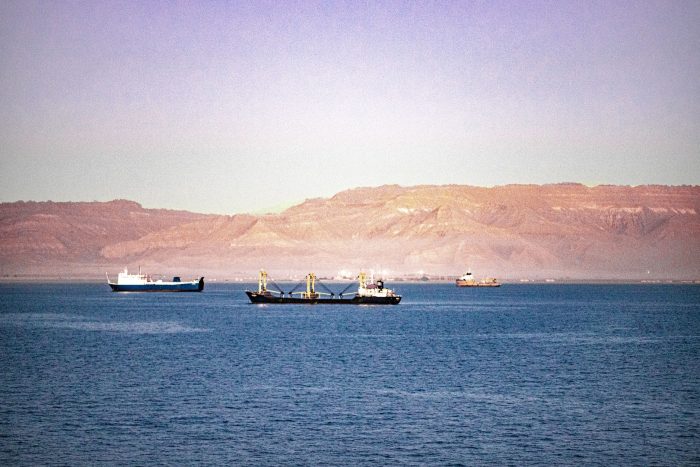
The Strait of Hormuz, which before the conflict that began February 28 carried roughly one-fifth of global oil supplies and more than 20 percent of LNG trade with daily averages of about 100 to 140 vessels, has seen sharply reduced traffic. Pre-war crude flows averaged around 20.9 million barrels per day in the first half of 2025. Post-memorandum volumes briefly rose but remained well below historical levels amid intermittent escalations, with recent data showing daily transits and crude movements at fractions of prior norms. Oil prices reacted to the August 5 statements, with Brent crude falling around 0.4 percent to near $79 a barrel and West Texas Intermediate declining about 0.5 percent to around $75 in early August 6 trading.

While reports have framed the understanding as a major step toward restoring free international navigation, Iranian officials have emphasized that the arrangement does not equate to a full reopening or a return to pre-war conditions of unrestricted passage without mechanisms protecting coastal-state rights. Baghaei and Gharibabadi stressed that security factors linked to the U.S. naval posture persist and that the understanding is a technical prerequisite rather than a sufficient condition for normalized traffic. Sources familiar with the discussions indicated that important details on fees, inspections and the precise role of Iran over outbound traffic remain unresolved, contrary to assertions of an imminent comprehensive reopening. U.S. officials have maintained that any temporary routes would involve neither Iranian permissions nor tolls, diverging from Iranian descriptions of service arrangements. Oman has not issued a public confirmation of the final coordinates or joint statement text as of the latest reports.
The proposed corridor would replace interim routes near Larak Island and through Omani waters that emerged after the June memorandum, with Iran asserting responsibility for certain operational elements including potential mine clearance. Consultations examined technical, legal, security and environmental aspects over two months, originating from a June 22-23 visit by Iranian Parliament Speaker Mohammad Bagher Ghalibaf and Foreign Minister Abbas Araghchi to Muscat, where they met Sultan Haitham bin Tariq and Omani Foreign Minister Badr Al Busaidi. Earlier Omani concepts referenced voluntary fees modeled on the Strait of Malacca system involving Indonesia, Malaysia and Singapore, while Iranian counter-proposals sought greater oversight of both inbound and outbound lanes within Iranian territorial waters. The Islamabad memorandum provided for a 60-day period without charges while talks proceeded, after which service costs were to be addressed. Regional officials have noted that final approval could require input from Iran’s Supreme Leader, and a senior Gulf source assessed the near-term chance of a completed bilateral deal at around 50 percent.