President Donald Trump said on Monday that ongoing discussions with Iran represent the country’s “last chance” to reach an agreement before potential further military action, after he paused what he described as a major U.S. strike. Speaking in the Oval Office during an executive order signing, Trump stated that talks were under way at the request of Iran and supported by Saudi Arabia, the United Arab Emirates and Qatar. He outlined a two-phase process in which the first phase would reopen the Strait of Hormuz, potentially fully by Tuesday, followed by discussions on denuclearization that would take longer. Trump posted earlier on Truth Social that Iranian leadership was “unbelievably duplicitous” for requesting meetings while publicly denying discussions and claiming engagement only with Oman. He later told reporters he wanted to give Iran “every last chance before decapitation,” noting military plans remained in place.
Iranian Foreign Ministry spokesman Esmaeil Baqaei rejected claims of negotiations with the United States during a weekly press briefing on Monday. Baqaei said Tehran was not currently negotiating with Washington, had no plans to host foreign delegations or send negotiators abroad in the coming days, and that all Iranian negotiators remained in the country except Foreign Minister Abbas Araghchi, who was on a religious pilgrimage in Iraq. He stated that discussions were limited to Oman and focused on securing passage through the Strait of Hormuz by establishing a temporary shipping route acceptable to both coastal states as soon as possible. Baqaei added that the situation in the strait would not change as long as the United States continued what he described as acts of aggression and blockade. The comments followed Trump’s weekend announcement that he had called off what he termed the biggest attack since World War II after Gulf allies urged a pause for diplomacy.
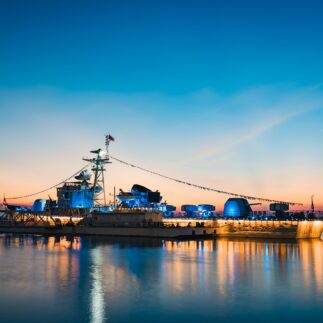
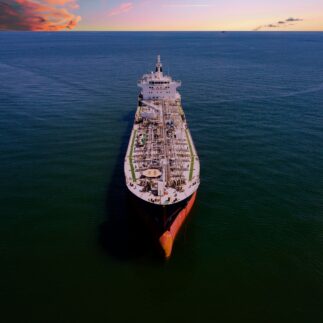
The exchange comes amid a conflict that began with U.S. and Israeli strikes on February 28, 2026, targeting Iranian missile capabilities and nuclear-related sites. A June memorandum of understanding had extended a ceasefire for 60 days to restore trade through the Strait of Hormuz and create space for broader talks, but that arrangement collapsed amid renewed exchanges of fire. Iranian forces have restricted commercial traffic through the waterway, which carried about a fifth of global oil supplies before the war, prompting U.S. responses including strikes on Iranian military targets and a naval blockade on Iranian ports. Trump has previously halted planned strikes multiple times since April in favor of diplomatic openings mediated by regional parties including Qatar and Pakistan.
While coverage has centered on Trump’s repeated threats of large-scale action followed by pauses for talks, Iranian officials have consistently framed their Oman discussions as strictly bilateral and unrelated to any U.S. involvement or nuclear issues. Baqaei emphasized that the strait remains under Iranian management mechanisms coordinated with Oman, rejecting any implication of broader negotiations. Prior statements from Iranian sources indicated no request to resume direct talks with Washington to end the wider conflict, with Araghchi previously describing diplomacy under military pressure as ineffective. U.S. claims of imminent or ongoing direct engagement have not been matched by confirmed venues, participants or public Iranian acknowledgments of the same process.

Trump specified that the current talks were backed by multiple Gulf leaders who contacted him after learning of the planned strike, including those from Saudi Arabia, the UAE and Qatar. Iranian discussions with Oman on Friday and Saturday of the prior week focused on common principles and operational mechanisms for safe navigation, according to earlier Baqaei remarks, with the goal of a single temporary route respecting sovereign rights of both coastal states. Araghchi had described those bilateral efforts as reaching final stages over the weekend. The conflict has already seen U.S. strikes destroy multiple Iranian naval vessels and degrade air and missile forces, while Iran has targeted commercial ships and U.S.-aligned facilities in the region during periods when ceasefires broke down.