Iran confirmed receipt of mediator proposals for a 10-day ceasefire aimed at salvaging a fragile interim agreement with the United States, even as Yemen’s Iran-aligned Houthis declared a naval blockade on Saudi Arabia following recent cross-border exchanges.
The Houthi announcement, framed as retaliation for Saudi actions, widens threats to Red Sea shipping and global energy flows. Iranian officials described ongoing diplomatic contacts via third parties, including Pakistan, amid nearly two weeks of intensified U.S. strikes on Iranian targets and Iranian responses targeting regional U.S. assets.
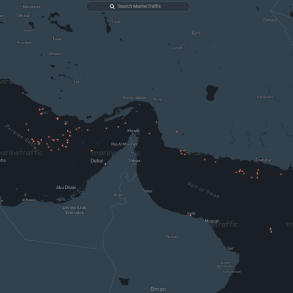
U.S. operations continued for multiple consecutive nights, focusing on Iranian defense and maritime capabilities in the Strait of Hormuz area, while Tehran reported strikes on U.S.-linked sites in several Gulf states. A senior Iranian official noted proposals presented recently, with the foreign ministry confirming active exchanges despite military actions.
Prevailing coverage emphasizes escalation and broken ceasefires, yet Iranian statements explicitly affirm continued mediator proposals and diplomatic channels, including a second Pakistani visit by Iran’s interior minister in days. The interim deal, signed last month, remains a reference point for de-escalation efforts even after reported violations on both sides.
Houthi moves, while expanding the conflict theater, follow a pattern of calibrated responses rather than full alignment with Iranian state actions, highlighting proxy dynamics that complicate unified narratives of direct Iran-U.S. confrontation.

Mediators, including Oman and Pakistan, have facilitated multiple rounds since earlier indirect talks, with the latest proposals tied to reopening shipping lanes in exchange for pauses. Iranian Revolutionary Guard claims of precise strikes on U.S. facilities in Kuwait, Bahrain, Oman, Qatar, and Jordan contrast with Gulf states’ defensive intercepts, underscoring layered proxy and direct engagements.
The current cycle follows a June memorandum of understanding intended to stabilize the Strait of Hormuz, with technical teams previously engaged in Doha, revealing persistent back-channel infrastructure despite public hostilities.