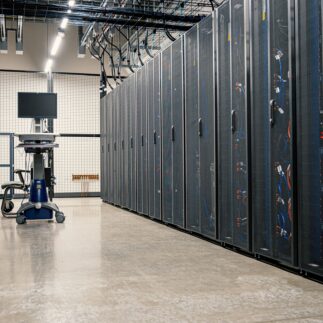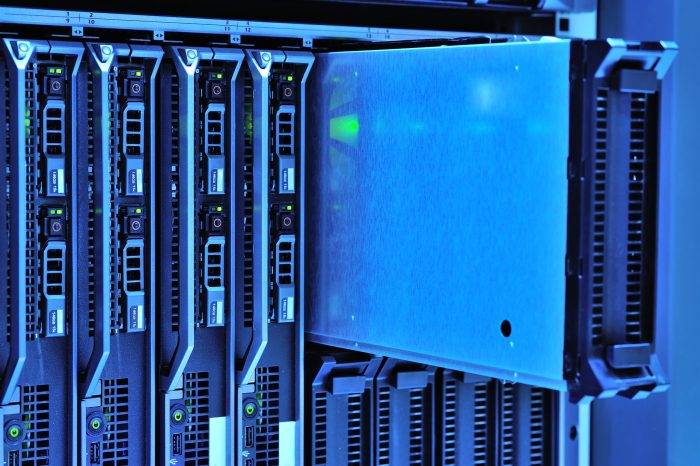
The facility leverages Huawei Ascend and other local silicon for training runs, following earlier integration of domestic processors in GLM-4.6 and subsequent releases. Z.AI, formerly Zhipu AI, has accelerated model iterations with GLM-5.2 achieving strong benchmark scores, including 81.0 on Terminal-Bench 2.1.
Chinese AI labs have increasingly turned to domestic supply chains amid U.S. export restrictions, with Z.AI among those reporting successful training on non-Nvidia hardware while maintaining compatibility across chip types for varied inference needs. The company spent substantially on compute in prior periods, highlighting the capital intensity of scaling domestic alternatives.
Analyst consensus often highlights persistent gaps in Chinese chip performance for large-scale training compared with Nvidia ecosystems, yet Z.AI’s recent GLM releases demonstrate rapid benchmark gains achieved primarily on domestic silicon stacks. While most notable models globally still rely on U.S. GPUs, a small but growing number of Chinese frontier efforts have shifted training workloads domestically.
Spending data from Hong Kong filings show Z.AI allocating multiples of revenue to compute services, including overseas access, underscoring hybrid strategies even as full domestic facilities come online.

Z.AI models, including GLM-4.6 variants, incorporated FP8 and Int4 quantization tailored for Cambricon and other local chips, enabling efficient runs without full reliance on restricted imports. The lab has classified use cases across Nvidia, Huawei, and Moore Threads hardware to optimize tokens-per-second for different customers.
Earlier GLM versions supported runs on as few as eight H20 chips, illustrating flexibility in deployment that extends to the new data center’s focus on broadening China’s independent AI infrastructure capacity.