Brent crude futures rebounded toward $94 a barrel on Tuesday after Iranian media said U.S. forces struck several locations on Qeshm Island, the largest island in the Strait of Hormuz, in the latest exchange of fire between Washington and Tehran.
Hormozgan’s deputy governor, Ahmad Nafisi, said the attack caused no casualties and no damage to critical or public-service infrastructure. There was no immediate confirmation from the U.S. military. Unofficial Israeli media sources suggested the strikes may have answered an Iranian attack in Bahrain earlier in the day.
Iran’s Revolutionary Guards said they hit a U.S. radar system at Bahrain’s Sheikh Isa air base. The U.S. acknowledged that Iran fired several one-way attack drones toward Bahrain but said all of them were shot down.
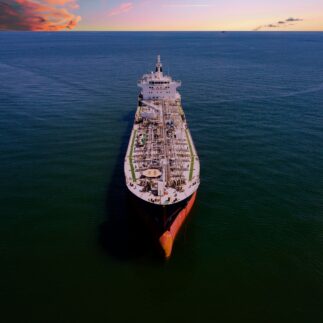
Separately, Iran’s navy said a third oil tanker caught fire after striking a mine east of the Strait of Hormuz. The claim has not been independently confirmed, and no details on the vessel or its crew were given.
The headlines landed on a day of mixed signals for energy markets. Oil futures were up about 1.5% in afternoon European trading. The move came as U.S. retail sales for October rose 0.2%, with sales excluding autos up 0.6%, and as import prices rose 1.1% on the month, data that landed as the Fed weighs further tightening.
The attribution of the Qeshm strike is thinner than the market reaction suggests. The account of what was hit comes from Iranian sources, the retaliation link rests on unofficial sources, and the Iranian official on the ground described no serious damage. Qeshm has been struck repeatedly during the conflict, which is now in its ninth month, so a further hit on the island does not by itself signal a change in the pattern of exchanges.

Qeshm lies just off the Iranian coast near Bandar Abbas and hosts military infrastructure that Iran has used to threaten shipping in the strait. Earlier U.S. strikes on the island, including one on November 3, were described by American officials as defensive actions aimed at curbing attacks on commercial vessels.
Sources: Bloomberg, xtb.com, cbsnews.com.