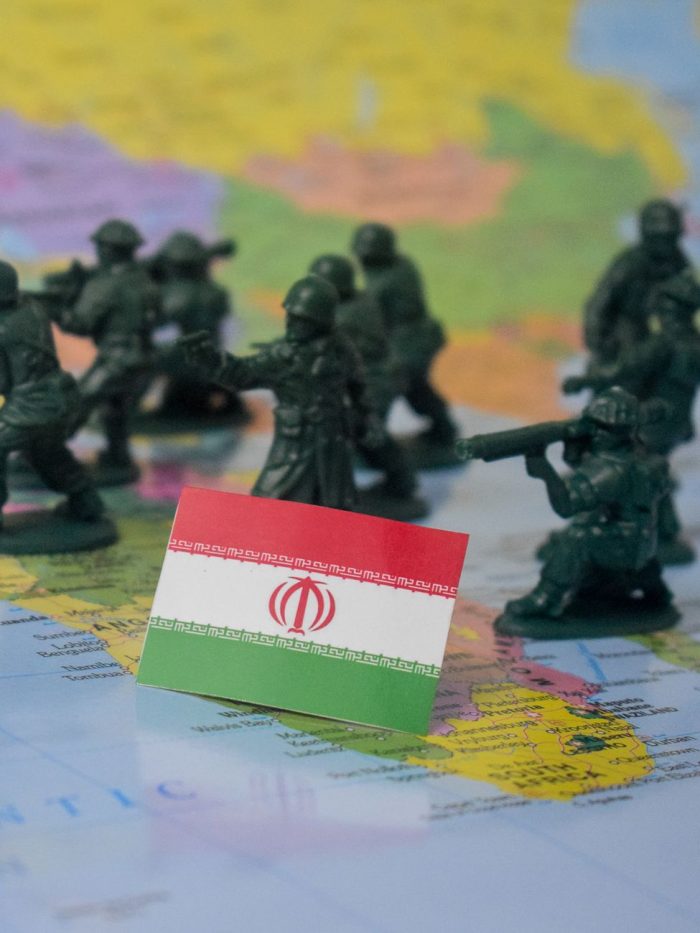
President Donald Trump indicated the United States is prepared to allow mounting economic pressure on Iran to accumulate instead of launching a fresh round of military strikes, describing the current approach as “low-keying it” in an interview with Axios on Sunday. Trump stated that Washington is only “semi-negotiating” with Tehran over the Strait of Hormuz and is primarily observing the Islamic Republic’s economic deterioration. “We are just watching Iran with its huge inflation and the fact they have no money,” he said, adding that a US naval blockade is intensifying the regime’s financial difficulties. Trump described Iran as being “in very bad shape” economically, with insufficient funds to pay its troops, and noted that oil prices near $75 a barrel have reduced the impact of the conflict on American consumers. “It will work out. It always works out. It’s like a chess game,” he said of the ongoing interactions with Tehran.
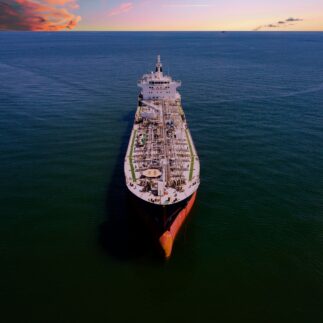
The remarks come one week after Trump had been prepared to order a return to major combat operations against Iran. They follow months of US and Israeli airstrikes that began on February 28, 2026, a US naval blockade of Iranian ports, and a series of sanctions targeting oil exports, shipping networks, and related entities. A June memorandum of understanding that included a temporary ceasefire and provisions for reopening the Strait of Hormuz collapsed in early July after Iranian attacks on commercial vessels, prompting renewed US strikes and the reimposition of the blockade. On August 1, Trump stated the United States was “locked and loaded” for potential action but agreed to hold off after requests from Iran and regional countries citing progress toward a deal. Iranian officials on Saturday issued a new list of demands for allowing shipping through the strait, including compensation for war damage, an end to the blockade and sanctions, release of frozen assets, and cessation of threats against Iran and its regional allies. Talks mediated by Oman on new shipping lanes through the waterway, which previously carried about one-fifth of global oil shipments, remain pending, with Iranian Foreign Minister Abbas Araghchi describing them as in their “final stages” but conditioned on US concessions.
Official Iranian data show year-on-year inflation reaching 88.6 percent in the Persian month ending June 21 and 87.9 percent in July, with the 12-month average at 66 percent. Food prices have more than doubled in some categories, contributing to shortages and reports of difficulty paying security forces. US officials have previously cited intelligence indicating Iranian complaints about inability to fund fighters due to Treasury Department actions and the blockade, which has sharply reduced oil export volumes. Oil prices, which peaked above $118 a barrel earlier in the conflict, have declined, with Trump citing levels slightly above $75 a barrel as easing consumer pressure in the United States. Brent crude traded near $84.50 a barrel and West Texas Intermediate near $78-$79 on August 10.
While coverage has emphasized a de-escalation from military threats, Trump’s comments align with earlier statements from administration officials that economic measures, including sanctions on more than 1,000 entities and the naval blockade, could exert longer-term pressure than additional airstrikes alone. Intelligence reports referenced by US officials in late July indicated that Iranian counterparts in prior negotiations with Jared Kushner and Steve Witkoff prioritized access to funds, with one official stating Tehran appeared “more scared of Treasury than the War Department.” The blockade has previously cut Iranian crude and condensate exports from near 2 million barrels per day to below 300,000 barrels per day in some periods, generating estimated daily revenue losses in the hundreds of millions of dollars. Iran has continued to issue demands for reopening the Strait of Hormuz that extend beyond the Oman-mediated shipping-lane discussions, including explicit calls for compensation and an end to military posture, indicating that economic distress has not yet produced unconditional movement on core US requirements regarding nuclear activities or unrestricted navigation.

The US naval blockade, first imposed in April and reimposed after the June memorandum collapsed, has redirected dozens of commercial vessels and restricted Iranian port access, according to Central Command updates. Iranian imports declined notably in the fiscal year ending March 2026 even before the latest restrictions, while gasoline shortages have appeared inside the oil-producing country. Treasury actions under Secretary Scott Bessent have targeted shadow banking, weapons procurement, and shipping networks as part of a maximum-pressure framework revived during the conflict. Historical parallels include earlier US sanctions periods that produced similar currency depreciation and inflation spikes, though the combination with active military operations and a physical naval interdiction marks a distinct operational layer. Oil futures rose approximately 1.1 to 1.2 percent in early trading on August 10 following the Axios report of Trump’s remarks.