President Donald Trump said Wednesday that the United States held all-day negotiations with Iran on Tuesday that produced very good discussions, with the Strait of Hormuz set to reopen very soon as part of an interim arrangement. Trump told Fox News that if Iran backs out again the country will be hit really hard. The comments came as Axios reported, citing two regional sources and a U.S. official, that Washington, Tehran and Oman were closing in on an interim agreement to restore traffic through the waterway, with an announcement targeted for Wednesday.
Oil prices extended declines into Asian trading on Wednesday after Wall Street indexes reached record highs the previous session. Brent crude had settled Tuesday at $79.36 a barrel, down more than 5 percent, while West Texas Intermediate finished at $75.77, also more than 5 percent lower and marking three-week lows for both benchmarks. Treasury Secretary Scott Bessent had said earlier that a deal to open the strait could arrive Tuesday or Wednesday.
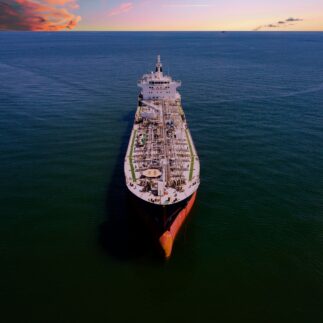
The five-month conflict that began with U.S. and Israeli strikes on Iran in late February has left commercial traffic through the Strait of Hormuz at a fraction of pre-war levels. Ship-tracking data from Kpler showed eight vessels transiting on Tuesday, including five tankers, compared with the typical 130 to 140 daily crossings before the war. Independent monitors put the seven-day average at roughly 4 arrivals per day, or about 6 percent of normal. Iranian Foreign Ministry spokesman Esmaeil Baghaei said talks with Oman over transit through the strait remained positive and focused on establishing safe shipping lanes.
Secretary of State Marco Rubio stated that progress had been made in the Iran-Oman discussions on moving more ships through the waterway but that finality had not yet been reached. Trump previously described the current round as Iran’s last chance after canceling planned strikes he characterized as the biggest since World War II. He said phase one centers on fully opening the strait, with phase two addressing denuclearization. Qatar’s Emir Sheikh Tamim bin Hamad Al Thani spoke by phone with Trump on Tuesday about narrowing differences, according to the Emiri office.

While markets and official statements have focused on rising prospects for a near-term Hormuz reopening, Iranian officials have repeatedly denied that direct negotiations with the United States are under way. Baghaei stated on Monday that Tehran was not hosting or sending delegations for U.S. talks and that the only discussions concerned a temporary route with Oman. Traffic data continue to show negligible recovery, with recent daily counts of six to nine vessels and persistent use of the Iranian unilateral scheme rather than the standard traffic separation scheme. Previous pauses in U.S. strikes, including after the June memorandum of understanding that provided for 60 days of toll-free passage, were followed by renewed restrictions and vessel incidents, including a cargo ship reporting a projectile strike near Oman on Monday.
Two specific proposals under discussion between Oman and Iran involve either a new middle route respecting both countries’ sovereign waters or a one-way system in which vessels enter the Persian Gulf via the Iranian side and exit via the Omani side. Diplomats familiar with the matter said Iran is considering allowing European nations to conduct demining operations in the strait. The June memorandum of understanding had required Iran to arrange safe commercial passage with no charge for 60 days only and to begin dialogue with Oman on future administration, language that Iranian negotiators later interpreted as permitting service fees after the initial period. U.S. officials have cited constraints on long-range tactical missile inventories as a factor in the current diplomatic push, while mediators from Qatar and Pakistan have continued to shuttle messages between the parties.