
The week begins with a positive tone in U.S. equity futures, but the focus shifts toward key economic data and policy developments that could influence markets over this holiday-shortened trading week. Below is our perspective on the market.
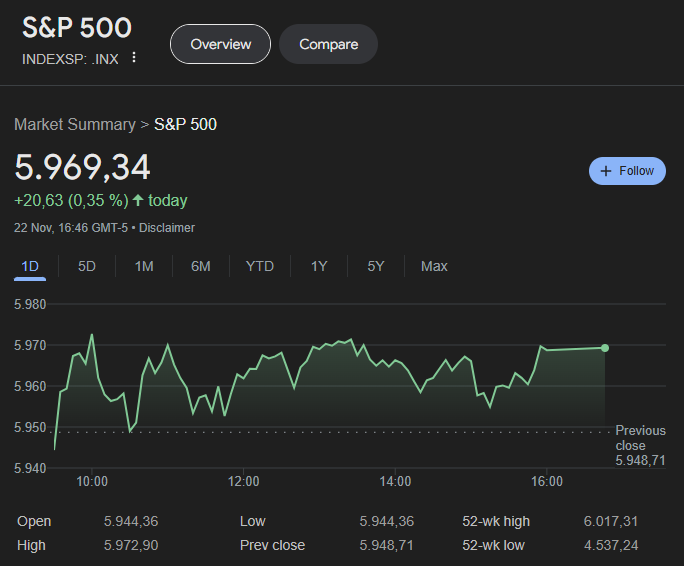
U.S. stock futures are gaining following last week’s strong performance across major indices. Optimism surrounding the nomination of Scott Bessent as Treasury Secretary has added to market stability. This week’s earnings reports from retailers such as Macy’s, Nordstrom, and Best Buy will provide insights into consumer spending trends, while results from CrowdStrike and Dell Technologies will highlight the tech sector’s resilience amid macro uncertainties.
The nomination of Scott Bessent, a hedge fund manager and founder of Key Square Group, as Treasury Secretary signals a potential blend of protectionist trade policies and economic stability. While Bessent’s support for Trump’s tariff and tax-cut agenda aligns with the administration’s broader goals, his focus on market stability may temper concerns about aggressive or disruptive policy changes. Markets view this nomination as a stabilizing factor, reflected in the dollar’s pullback and easing Treasury yields.
The dollar index’s 0.6% retreat on Monday indicates a shift in sentiment, with investors anticipating a measured approach from Bessent in implementing Trump’s economic agenda. Meanwhile, the yield on the 10-year Treasury fell by 5 basis points to 4.35%, as markets recalibrate expectations for inflation and interest rate cuts. Nonetheless, the backdrop of rising Treasury yields in recent weeks reflects persistent inflation concerns tied to Trump’s policies, which may limit the Fed’s ability to lower rates aggressively.
The release of the latest FOMC meeting minutes and PCE inflation data this week will be pivotal in shaping expectations for the Fed’s December policy decision. Current market odds for a 25-basis-point rate cut stand at 56%, down from 62% last week, reflecting tempered expectations amid strong economic data. Investors will look for signs of the Fed’s stance on inflation, labor market conditions, and financial stability.
Strategic Implications:
With stability following the Treasury Secretary nomination and earnings season in focus, selective exposure to consumer discretionary and technology sectors may offer upside. Retail earnings will provide insights into holiday-season spending, while tech stocks like CrowdStrike and Dell may benefit from broader resilience in the sector. Balanced exposure across cyclical and defensive sectors is advised, given the mixed macroeconomic backdrop.

Treasury yields remain elevated, reflecting inflationary pressures tied to Trump’s policies. Maintaining a short-to-medium duration profile in fixed income can help manage rate sensitivity. Additionally, inflation-protected securities (TIPS) may offer a hedge against any upside surprises in inflation data.
The dollar’s retreat provides some relief to U.S. exporters and multinationals. Investors with global exposure should remain vigilant about currency dynamics, particularly in regions where local economies are less affected by dollar strength. Hedging strategies may help mitigate risks tied to currency volatility as markets digest Trump’s trade and fiscal policy agenda.
This week’s FOMC minutes and PCE inflation data will be critical for gauging the Fed’s future rate path. Any indications of a more hawkish stance from the Fed, coupled with rising inflationary pressures, could impact rate-sensitive assets and reinforce the need for tactical adjustments in equity and fixed-income allocations.
Like this article? Access highly trusted educational content and market research by investing in a membership.








