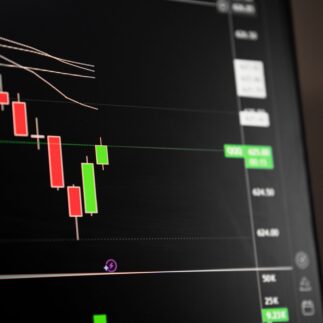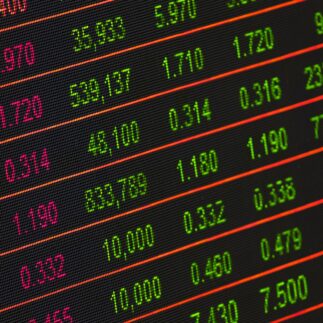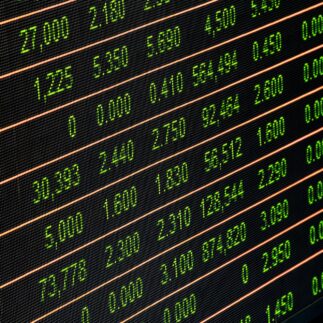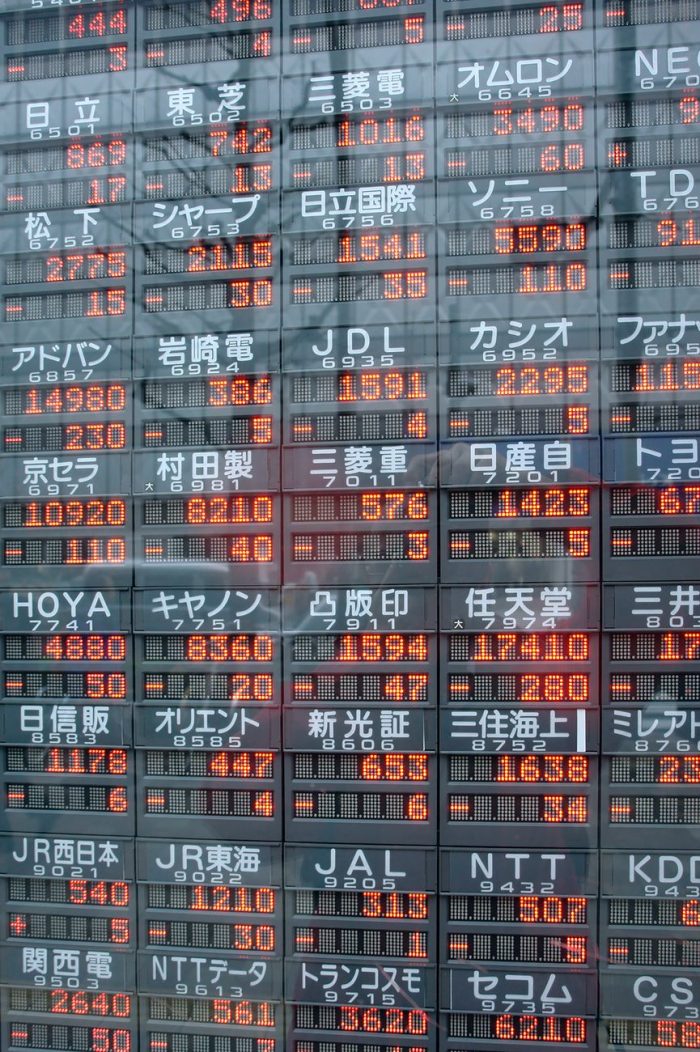
A global advance in technology shares accelerated on Friday as South Korea’s Kospi Index surged as much as 17 percent, the largest intraday gain on record, reversing a three-day selloff that had erased substantial market value. Chipmakers SK Hynix Inc. and Samsung Electronics Co. each climbed more than 20 percent, while Taiwan Semiconductor Manufacturing Co. rose 8.6 percent, driving the bulk of gains in the MSCI Asia Pacific Index, which advanced about 3.6 percent. Japan’s Nikkei 225 Stock Average gained more than 4 percent.
The Asian rebound followed the strongest one-day advance in Wall Street chip stocks in more than a year. The Nasdaq 100 Index climbed more than 3 percent on Thursday, ending a six-day losing streak, after Microsoft Corp. and Amazon.com Inc. reported results that eased concerns over elevated capital spending on artificial intelligence. Amazon shares rose 9.5 percent in post-market trading, while Apple Inc. declined more than 6 percent on supply constraints that weighed on its sales outlook. Nasdaq 100 futures indicated further gains in Asian trading.
The Japanese yen weakened about 0.7 percent to around 160.6 per dollar, giving back a portion of Thursday’s largest gain against the dollar in more than two years. That earlier surge followed suspected intervention by Japanese authorities, with reports of related actions by South Korean officials and rate checks by U.S. counterparts. The Bank of Japan left its benchmark interest rate unchanged, in line with forecasts from all 52 economists surveyed by Bloomberg, after assessing the impact of June’s increase to 1 percent.
South Korean authorities announced plans to inject a minimum of 20 trillion won, or about $13.9 billion, into the Korea Investment Corporation for strategic investments in artificial intelligence, data centers and infrastructure. The move expands the sovereign wealth fund’s mandate to include domestic assets for the first time. The Kospi had fallen roughly 40 percent from June peaks, wiping out nearly $2 trillion in market value amid leveraged retail trading and questions over returns on AI-related spending. Despite Friday’s rebound, the index remained on track for a monthly decline exceeding 22 percent, its steepest since 2008.
U.S. equity futures pointed higher, with S&P 500 contracts up about 0.3 percent. European futures also advanced. Treasuries strengthened as the 30-year yield slipped two basis points to about 5.19 percent after touching multiyear highs earlier in the week. Oil extended declines, with Brent crude falling about 1 percent even as it remained up roughly 20 percent for July. Gold traded near $4,100 an ounce.

While the dominant narrative framed the session as a renewal of artificial intelligence investment bets after earnings from major cloud providers, the Kospi’s July performance still pointed to its largest monthly loss in nearly two decades even after the record rebound. Circuit breakers and trading halts during the session underscored persistent volatility tied to retail leverage, which authorities had already moved to restrict earlier in the week. Mixed results from U.S. megacap companies, including Apple’s decline on supply issues, left the sustainability of the broader tech recovery unresolved. Long-end Treasury yields had reached multiyear highs following the Federal Reserve’s decision under Chair Kevin Warsh to hold rates steady, highlighting ongoing inflation concerns that contrasted with the equity rebound. Oil’s substantial monthly advance added another layer of pressure on the inflation outlook that markets had largely set aside in the equity rally.
The Korea Investment Corporation’s expanded mandate marks the first time the fund, previously focused primarily on overseas assets, will allocate capital to domestic strategic projects, funded in part through equity contributions from public institutions including policy banks. The announcement came as the government had earlier shifted away from creating a fully standalone sovereign vehicle in favor of a dedicated account within the existing corporation. Shares that ranked among the top holdings of Situational Awareness, the hedge fund previously led by former OpenAI researcher Leopold Aschenbrenner, posted outsized gains in the U.S. session after the fund had liquidated substantial equity positions amid the prior AI-linked rout and sold a portion of holdings to Citadel. Trading volume and price swings in the Kospi reflected the outsized role of individual investors, whose leveraged exchange-traded products had amplified both the preceding $2 trillion drawdown and the subsequent rebound. The yen’s Thursday advance of more than 3 percent to near 158 per dollar had represented its largest single-day move in over two years and occurred alongside thin liquidity conditions that persisted into Friday’s session.