US equity futures advanced and Treasuries gained after President Donald Trump announced he had agreed to cancel a planned large-scale attack on Iran following requests from Middle East allies including Saudi Arabia, with negotiations set to start Monday afternoon aimed at a deal to reopen the Strait of Hormuz. Brent crude for October delivery slid as much as 7.3% to $81.55 a barrel in early Asian trading on August 3, while West Texas Intermediate traded below $81. European natural gas prices declined as much as 6.3% in the same session.
The oil drop followed a surge of nearly 25% in Brent futures during July, the largest monthly advance since March, driven by renewed fighting after the collapse of a June truce and subsequent pauses. Trump told reporters aboard Air Force One on Sunday that the canceled operation “would have been the biggest attack since World War II,” adding that allies urged pursuit of a deal instead. In a Truth Social post, he stated the cancellation was “subject to being able to rapidly make a DEAL” to reopen the strait and directed parties to “Get to work, everybody, and get it DONE.”
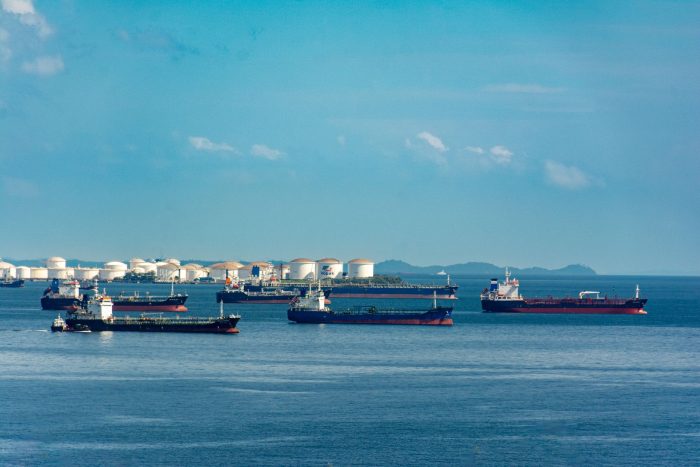
Major OPEC+ producers separately approved an increase of about 188,000 barrels a day to their production quotas starting in September, completing the theoretical unwind of a 1.65 million barrel-a-day voluntary cut from 2023. The group’s statement covered the core members still bound by the adjustments: Saudi Arabia, Russia, Iraq, Kuwait, Algeria, Kazakhstan and Oman. Oil futures later pared some losses after the UK Maritime Trade Operations reported a tanker off Oman detecting an explosion in close proximity on Sunday, underscoring ongoing shipping risks in the region that carries roughly one-fifth of global crude and liquefied natural gas in normal conditions.
S&P 500 futures rose between 0.4% and 0.5%, Nasdaq 100 futures advanced 0.7% to 0.85%, and Dow futures gained about 0.4% in early indications. Treasuries advanced in parallel with the retreat in oil prices, which had previously elevated inflation concerns and upward pressure on yields during periods of heightened Middle East tensions.

While the immediate market reaction centered on reduced near-term supply risks and lower inflation pressure from cheaper oil, a reported explosion near a tanker off Oman on Sunday prompted oil futures to recover part of their declines, highlighting that shipping threats through the Strait of Hormuz persist despite the pause in planned US strikes. Prior pauses in late July, intended to allow diplomacy, had already been disrupted by resumed fighting that spread to the Red Sea and Jordan. Iranian Foreign Minister Abbas Araghchi stated on Sunday that negotiations between Iran and Oman were in final stages regarding a new transit route, yet a ministry spokesman clarified on state television that the discussions did not address whether the waterway itself would remain open or closed.
Turkey and Iraq extended an expired oil pipeline agreement by one year, enabling potential exports of as much as 750,000 barrels a day according to Iraq’s oil ministry, as Gulf producers continued seeking alternative routes amid Hormuz disruptions. Kazakhstan’s Energy Ministry reported that the Caspian Pipeline Consortium resumed operations with oil intake at 100,000 tons a day from August 1 after a temporary suspension on Friday, though export volumes remain dependent on tanker willingness to navigate residual risks following earlier attacks near the Black Sea facility. An LNG vessel had been struck by a projectile late the previous week, adding to a pattern of intermittent disruptions that previously forced tankers carrying Saudi crude to turn back from the Red Sea.