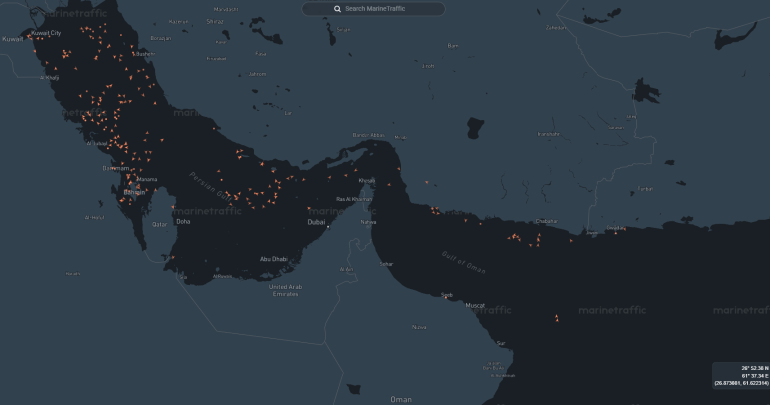
U.S. Central Command reported strikes on Iranian coastal defenses, missile sites, air defense systems, and logistics facilities in waves during mid-July, including areas near Bushehr and Greater Tunb Island. Iranian officials said the actions affected power generation capacity, prompting calls for reduced consumption ahead of peak summer demand. The IRGC said its forces targeted U.S. infrastructure in response, including command centers and aircraft facilities.
Damage to the power grid from earlier conflict phases reduced generation by thousands of megawatts, with officials estimating 7% of capacity impacted in prior rounds and additional effects from recent strikes. Associated gas production also declined, tightening supply for power plants. Iran threatened further closures of regional energy export routes if aggression continued.
The exchanges escalated after the collapse of a June ceasefire and memorandum of understanding aimed at reopening the Strait of Hormuz. U.S. forces disabled vessels attempting to violate the reimposed blockade, while Iran reported strikes on bridges, airports, and other infrastructure in its territory. Brent crude rose on supply disruption risks.
While reports focused on immediate military exchanges and power shortages, Iranian officials noted that some damaged facilities had partial repairs completed, with 2,500 megawatts restored from earlier strikes, and recommended demand-side measures such as efficiency programs and load shifting rather than solely new generation capacity to address summer deficits estimated at up to 13,640 megawatts.

The IRGC detailed specific hits on Al Udeid Air Base in Qatar, destroying fighter jet maintenance centers and command facilities, and on Prince Hassan Air Base in Jordan, targeting MQ-9 Reaper drone hangars. Strikes also affected logistical platforms at Oman’s Duqm port and radar sites in Kuwait and Bahrain. Iran’s parliament research arm projected that war damage could exacerbate chronic grid shortfalls, with up to 82% of shortage hours below 10,000 megawatts manageable through operational adjustments.