
A balanced strategy in U.S. equities, fixed income, and currency exposures, considering the implications of a pro-growth, inflationary outlook under a potential Trump presidency and an anticipated shift in Federal Reserve policy is our current perspective.
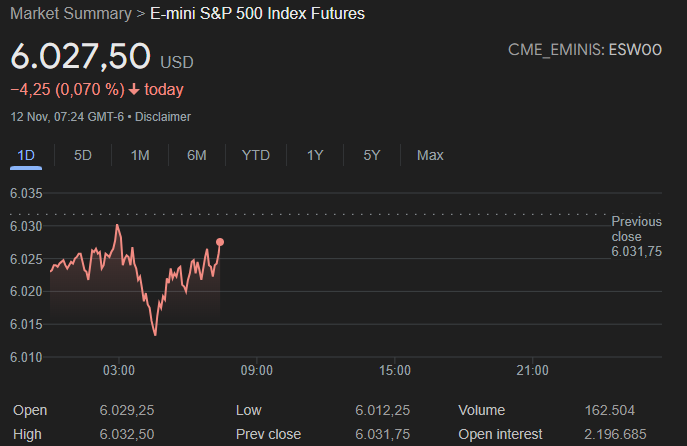
U.S. stock futures are stable following Monday’s rally, which saw the Dow, S&P 500, and Russell 2000 hitting new highs. Optimism surrounding Trump’s anticipated policies, including deregulation and tax cuts, continues to fuel gains, particularly in sectors poised to benefit from pro-business measures. Tesla’s 9% surge underscores confidence in sectors aligned with Trump’s tech and crypto-friendly agenda, while Bitcoin’s rally, along with gains in Coinbase and MicroStrategy, highlights strong institutional and retail enthusiasm in crypto-related assets. However, the underperformance of megacap tech stocks, such as Nvidia, Microsoft, and Apple, suggests a shift toward sectors more directly aligned with anticipated fiscal policies, creating a rotation opportunity within equity portfolios.
The dollar index’s rise to above 105.6 reflects strong demand for “Trump trades,” with investors anticipating growth-boosting measures and a shift toward fiscal expansion. This dollar strength, especially against the euro and yuan, could impact U.S. exporters and multinationals with significant foreign revenue. The possibility of tariffs and stricter immigration policies adds an inflationary layer that could limit the Fed’s room for rate cuts. Upcoming U.S. inflation data and Fed commentary will be closely monitored, as these will likely shape expectations on rate policy and currency outlooks.
The yield on the 10-year Treasury note has risen to 4.36%, approaching recent highs as market participants assess the inflationary implications of anticipated fiscal policies. This move signals a pivot toward riskier assets and away from safe-haven Treasuries. Investors are now pricing in a potentially higher terminal rate of 4% by next year, reflecting a hawkish shift in Fed expectations. The prospect of a pro-inflationary fiscal environment implies that rates may remain elevated, which could impact fixed-income portfolios.
Strategic Implications:
With renewed optimism around pro-growth policies, a selective overweight in sectors likely to benefit from deregulation, tax cuts, and fiscal support—such as energy, industrials, and technology—may provide upside potential. Conversely, careful positioning in megacap tech is advisable, as interest rate sensitivity and a stronger dollar may temper their near-term performance. Exposure to high-growth segments, such as electric vehicles and cryptocurrency-linked stocks, may offer growth opportunities under a tech-friendly policy framework.
The uptick in Treasury yields suggests that a cautious duration stance remains prudent. A short-to-medium duration focus can help manage rate sensitivity while capturing higher yields across the curve. Given inflationary risks tied to fiscal policies, adding inflation-protected securities (TIPS) to fixed-income portfolios may provide a hedge. Monitoring rate expectations will be essential, as any adjustments in Fed policy could shift market dynamics.

With dollar strength potentially weighing on U.S. exporters, investors with global exposure may consider currency hedging strategies to mitigate currency-related risks. In emerging markets, where currency sensitivity to a stronger dollar is high, selective exposure with a focus on stable fundamentals is advisable to avoid potential volatility.
Upcoming U.S. inflation data and Fed commentary will be pivotal in assessing the trajectory of rates and potential impacts on growth. A pro-inflationary environment with increased tariff expectations and a tighter Fed stance underscores the importance of monitoring policy updates closely, especially as fiscal and trade policies could introduce sector-specific opportunities or risks.
Amid strong equity market performance and rising yields, a balanced approach is essential. Focusing on pro-growth sectors, managing duration exposure in fixed income, and applying currency hedging will help navigate evolving market dynamics driven by policy expectations.
Like this article? Enjoy more highly trusted educational content and access market research to expand your horizon by investing in a membership.