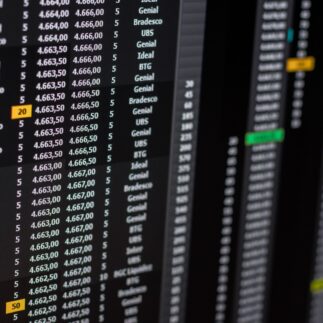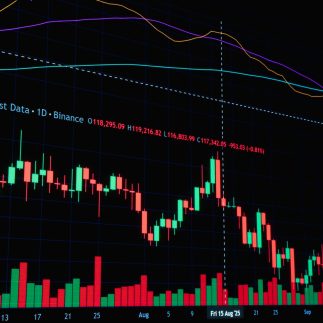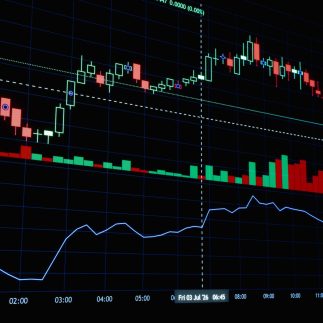
As the E-mini S&P 500 Futures contracts track the price of the underlying asset, index futures track the prices of stocks in the underlying index. In other words, the S&P 500 index tracks the stock prices of 500 of the largest U.S. companies[1], hence the question arrives whether the auction of the traders, in instance on the DOM (depth of market), actually effect the market?
E-mini Futures trading were created to allow for smaller investments by a wider range of investors. The S&P 500 E-Mini Futures are one-fifth of the value of the big contract.[1]
Many of S&P Dow Jones Indices’ equity indices are capitalization-weighted indices. Sometimes these are called value-weighted or market cap weighted instead of capitalization weighted. Examples include the S&P 500.[2]

The numerator on the right hand side is the price of each stock in the index multiplied by the number of shares used in the index calculation. This is summed across all the stocks in the index. The denominator is the divisor. If the sum in the numerator is US$ 20 trillion and the divisor is US$ 10 billion, the index level would be 2000.[2]

With that said, is it better to trade the underlying shares of a particular comapany which is in the 500 list in regards of the DOM trading approaches? An alternative for the intra-day trading perspective with depth of market tools would be Crude Oil or the T-Note contracts which follows the orders of the market participants – while the market’s macro perspective of the ES contract still can be analyzed and traded by the Auction Market Theory with TPO, Volume or VWAP tools, including the analysis of some of the underlying stocks of the index for a brighter vision of the total market context.
UPDATE MAY 2023: The S&P 500 Futures contract is designed to track the S&P 500 Index, which is a market capitalization-weighted index of 500 large publicly traded companies in the United States. The price of the S&P 500 Futures contract is determined by the market’s expectation of the future value of the S&P 500 Index. Therefore, any trading activity in the Futures contract can reflect the current sentiment and expectation of market participants about the underlying stocks in the Index. The activity on the DOM (depth of market) can impact the order flow, which can affect the price of the Futures contract and, in turn, the price of the Index.
Source 1: Investopedia
Source 2: SPGlobal Calculation PDF