The data protection commissioner of the German state of Hesse opened an investigation into Deutsche Bank on Wednesday, adding a privacy inquiry to the fallout from a leak of more than 15 million internal files that has pushed the lender’s chief executive onto the defensive.
Commissioner Alexander Rossnagel said his office is looking into possible data protection violations. He is checking whether the bank had adequate technical and organizational safeguards and whether it reported the leak on time, including whether affected individuals were told promptly. The probe will not assess the content of the documents themselves.
Deutsche Bank said it proactively informed the relevant authorities and that its testing found no account information, login credentials or payment data had been accessed. It has also said it expects no significant financial impact from the reports.
The files, supplied by two whistleblowers whose identities remain confidential, were published on Tuesday by a consortium of more than 200 journalists under the name “Inside Deutsche Bank.” They cover business with Russian oligarchs pursued up to Moscow’s February 2022 invasion of Ukraine, dealings with Jeffrey Epstein, and tax and money-laundering matters. One report put payments linked to Epstein and later flagged as suspicious at $582 million, more than double earlier estimates.
Another report said the bank sent a tax document belonging to Donald Trump to another client’s accountant in 2017 and did not inform the White House. Trump called the disclosure illegal. The bank declined to comment on his remarks.
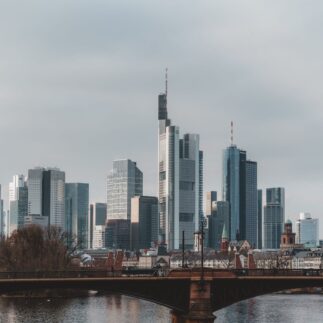
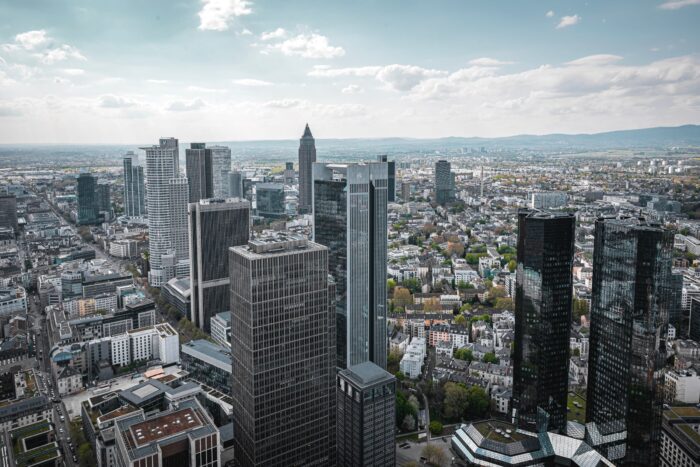
Deutsche Bank shares fell more than 6% in Frankfurt on Tuesday before recovering part of the loss, trimming the decline to 3.8% by early afternoon. The stock has roughly tripled during Christian Sewing’s tenure as CEO, which began in 2018.
Sewing said in an interview that he is “not without flaws” and that the bank’s direction has been and remains right. He said clients were calm, though not pleased. Chairman Alexander Wynaendts said he is comfortable with every decision Sewing has made. German Finance Minister Lars Klingbeil called for full transparency and for regulators and law enforcement to scrutinize the bank.
The market reaction and the official response are not uniform. The ECB declined to comment, and a European supervisory official said there was no immediate sign of a major new investigation, partly because many of the matters appear historical. Deutsche Bank says some cases go back many years, were reviewed at the time, and were handled with regulators where relevant.

BaFin, Germany’s financial regulator, did not comment on the leak directly. It said it has carried out six inquiries involving the lender since 2018 and fined it €8 million last week.
Less visible is the bank’s own Russia footprint. Its annual report shows 162 full-time-equivalent staff in Russia at the end of 2025 and a 2025 pre-tax profit there of €61 million, even though it said in March 2022 that it would wind down its remaining business in the country. The bank says it has invested €7 billion in strengthening controls between 2019 and 2025.
A shareholder lobby group compared the leak to detonating an atomic bomb at the bank’s headquarters and said customers would head for the exits. A bondholder at Federated Hermes said the board should think about succession. A member of the European Parliament has asked Sewing to appear before the chamber. Further reports from the consortium are planned.
Sources: euronews.com, globalbankingandfinance.com, Bloomberg.