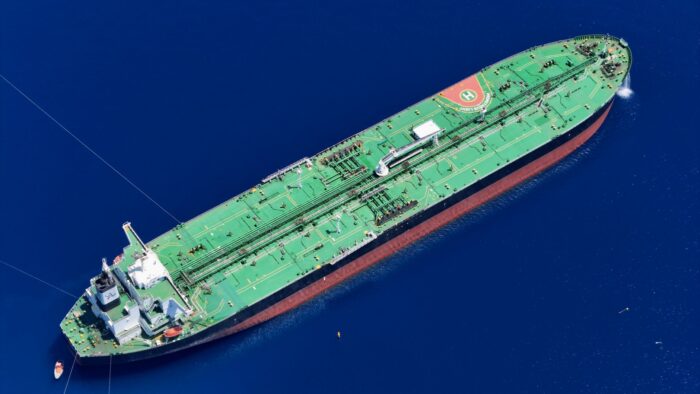
Oil prices extended their sharp decline on Wednesday, with West Texas Intermediate falling below 70 dollars a barrel and Brent crude dropping toward 74 dollars, levels not seen consistently since before the outbreak of hostilities earlier this year. The move followed visible improvements in shipping data through the Strait of Hormuz, where tanker transits have surged in recent days after the implementation of a mid-June memorandum of understanding between Washington and Tehran.
This rebound in flows has been hailed in conventional circles as proof that energy supply risks have eased dramatically. Yet beneath the surface, the situation reveals a more precarious dynamic. The memorandum, signed around June 17 and involving mediation from Pakistan among others, includes provisions for toll-free passage, sanctions waivers on Iranian oil exports, and a 60-day window for further negotiations on thornier issues including Iran’s nuclear program. Tanker counts have indeed climbed, with reports of dozens of vessels moving through the waterway daily, including previously stalled supertankers, pushing daily volumes higher than the war-era lows.
For traders and producers, this translates into immediate relief. Iranian crude has begun flowing more freely again, adding potential supply to global markets already digesting the end of acute disruptions. Lower energy prices feed through to reduced input costs for industries, softer headline inflation readings, and cheaper gasoline at the pump, elements that policymakers in consuming nations are quick to highlight as wins from de-escalation. President Trump has publicly touted the developments, noting increased flows and their implications for domestic energy costs.
However, this narrative of swift normalization overlooks critical structural vulnerabilities. The memorandum rests on temporary waivers and goodwill gestures rather than ironclad commitments. Iran has regained the ability to export oil and access certain financial channels, yet regional actors retain leverage to interrupt traffic at short notice. Historical patterns in the Gulf demonstrate that choke-point diplomacy often produces volatile cycles rather than permanent stability. Traffic may have recovered from wartime nadirs, but it remains well below pre-conflict averages, and much of the recent movement follows routes still subject to Iranian oversight or influence.
Moreover, the influx of Iranian barrels comes amid broader questions about demand durability and inventory dynamics. While the market prices in restored supply, second-order effects from the preceding disruption linger in the form of elevated insurance premiums, rerouted logistics, and cautious stockpiling by importers wary of reversals. Central banks, already navigating sticky core inflation and resilient labor markets, now face a temporary disinflationary boost from energy that could mask underlying pressures and complicate policy calibration.
The speed of the price collapse also raises flags about positioning. Hedge funds and speculators had built exposure around prolonged tightness during the height of Hormuz risks. The rapid unwind as diplomatic headlines emerged suggests crowded trades unwinding in unison, a setup prone to overshoots in both directions. Lower prices benefit consumers in the short run but squeeze marginal producers, potentially setting the stage for future supply cutbacks if the truce falters.
Challenging the dominant narrative requires acknowledging that this relief rally in flows and prices may prove as ephemeral as the ceasefire window itself. Mainstream coverage emphasizes the positive momentum in tanker data and sanctions easing as evidence of durable risk reduction. Yet the agreement’s core elements, including nuclear-related talks deferred to the 60-day period and reconstruction incentives tied to compliance, leave ample room for missteps or renewed leverage plays. Iran has signaled intentions to administer aspects of strait security under new conditions, while U.S. officials frame the deal as buying time for tougher inspections and limits. Such arrangements have a track record of unraveling when underlying strategic objectives diverge.

Decision makers tracking capital flows should recognize that markets are currently discounting a best-case extension of the truce while underweighting tail risks of disruption. Any delay in final negotiations, escalation involving proxies, or technical violations around nuclear commitments could trigger swift repricing higher in energy. For portfolios, the current environment favors tactical nimbleness over structural long exposure to risk assets predicated on permanent stability.
The oil plunge reflects real logistical improvements but also a collective willingness to embrace fragile diplomatic optics. History cautions that Gulf energy security rarely follows linear paths. As tanker traffic normalizes on paper, the incentives and flashpoints that ignited recent volatility remain embedded in the region. Investors and policymakers would do well to prepare for the possibility that today’s relief sets the conditions for tomorrow’s reversal rather than assuming the crisis chapter has closed.
Enjoyed this article? Access highly trusted training content and prime market insights by investing in a membership.








