
Our perspective emphasizes a cautious yet proactive approach to the energy sector, given the interplay between geopolitical risks, supply adjustments by OPEC+, and near-term demand indicators.
Key Points to Address:
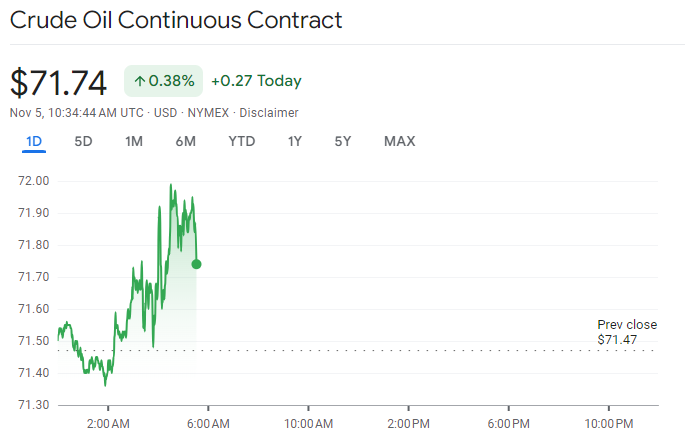
- OPEC+ Supply Strategy: The recent decision by OPEC+ to delay its planned 180,000 bpd output increase reflects an effort to stabilize oil prices amid weak demand. This conservative supply stance indicates that OPEC+ is closely monitoring market sentiment and remains prepared to adjust output to counteract price volatility. For investors, OPEC+’s willingness to scale back production increases signals a supportive price floor in the near term, which could limit downside risk for WTI crude, particularly in the face of geopolitical uncertainties.
- Geopolitical Risks and Potential Supply Disruptions: Reports of potential Iranian-backed attacks on Israel via proxy militias have resurfaced geopolitical concerns in the Middle East, adding a risk premium to oil prices. These developments could lead to supply disruptions or increase market volatility, especially if tensions escalate. Investors should remain vigilant to geopolitical developments as these factors can introduce significant, short-term price spikes, particularly in crude and heating oil.
- U.S. Presidential Election and FOMC Decision: The U.S. presidential election and upcoming FOMC meeting are major focal points for markets this week. With polls showing a close race, potential shifts in U.S. energy policies under different administrations could impact oil demand outlook and regulatory frameworks. Additionally, the Fed’s anticipated rate cut could provide support for commodities if it weakens the dollar, potentially bolstering demand for oil. Monitoring these events will be essential, as the election outcome and Fed policy may create ripple effects across the energy sector.
- Natural Gas Dynamics: U.S. natural gas prices near $2.8/MMBtu reflect immediate demand pressures tied to weather events and seasonal shifts. The approach of Tropical Depression 18 toward the Gulf of Mexico has raised concerns over potential production disruptions, further supporting near-term prices. Additionally, while current temperatures are above average, cooler weather is expected later in the month, which could drive increased heating demand. LNG exports remain a crucial component of the U.S. natural gas market, although temporary reductions, such as the Freeport shutdown, may add to price volatility.
- Refined Product Markets and Inventory Data: The rise in U.S. gasoline and heating oil futures follows OPEC+’s production delay, with EIA data indicating ongoing declines in distillate inventories and stable heating oil stocks. Seasonal factors, including colder weather later in November, suggest potential demand upticks in heating oil. Meanwhile, gasoline inventories continue to tighten amid slight increases in demand. These refined product trends underscore the need to track inventory levels closely as they are sensitive to seasonal demand shifts and can lead to price fluctuations in heating oil and gasoline.
Strategic Implications:
- Crude Oil Exposure: With OPEC+ actively managing supply and geopolitical risks elevating the potential for price volatility, we may maintaining a cautiously optimistic stance on crude oil. Selective long positions may capture potential upside, especially if tensions in the Middle East lead to further supply disruptions. Investors could also consider hedging against downside risks, given that short-term demand indicators remain mixed.
- Natural Gas Positioning: Near-term factors, such as impending hurricanes and expected cooler temperatures, support a more constructive view on U.S. natural gas prices. LNG export dynamics will continue to influence natural gas markets, particularly with increased production expected in 2024-2025. Tactical exposure to natural gas could provide upside if demand increases, but monitoring weather forecasts and production updates will be essential to manage volatility.
- Refined Products and Seasonal Demand: The current environment favors selective exposure to heating oil, given seasonal demand patterns and declining distillate inventories. With gasoline demand edging higher amid tightening inventories, a modestly bullish stance on gasoline might be favorable as we move into a period of seasonal adjustments. However, caution is warranted as inventory levels remain susceptible to production variations.
- Political and Policy Risks: The upcoming U.S. presidential election introduces potential policy shifts that could affect the energy sector. A Trump or Harris administration may bring differing stances on fossil fuels, renewables, and international trade, impacting both regulatory environments and longer-term demand. Investors should remain flexible and prepared for policy-driven volatility, particularly if new policies alter demand forecasts for oil and gas.

Like this article? Enjoy highly trusted educational content and market research by investing in a membership.








