
Our perspective emphasizes a cautious yet strategic approach, considering the dual impact of the impending U.S. presidential election and anticipated Federal Reserve policy adjustments on market performance.
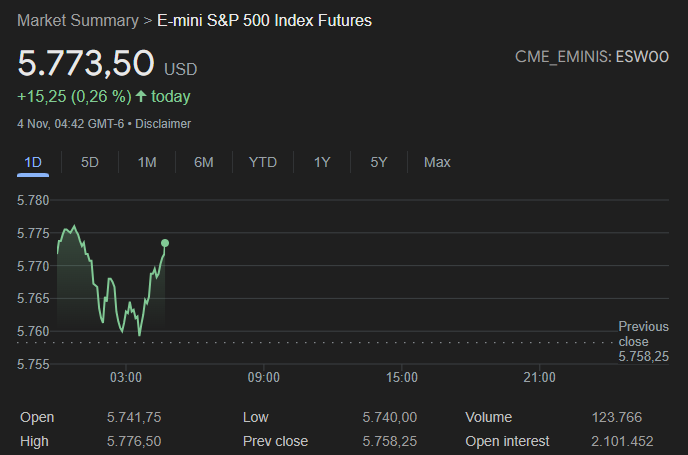
Key Points to Address:
- Election Uncertainty and Market Implications: The closely contested race between former President Donald Trump and Vice President Kamala Harris has created significant uncertainty, particularly with regard to future fiscal policies, trade, and regulation. Historically, post-election market rallies have been common in November and December, especially following a strong pre-election year. However, the current lack of clarity around election outcomes and potential policy shifts necessitates a conservative approach, as any change in congressional control could further impact fiscal policy and sector-specific performance. Investors should remain prepared for potential volatility and consider sectors resilient to policy shifts, such as healthcare and technology.
- Federal Reserve Policy Expectations: The Fed is expected to proceed with a 25 basis point cut this week, following a larger 50 bps reduction in September. Markets are also pricing in another 25 bps cut for December, reflecting a more cautious pace of easing. While this gradual approach to rate cuts supports a lower cost of capital for equities, the Fed’s moderate easing stance signals that inflation concerns remain. Investors should remain vigilant, as further rate adjustments may hinge on economic data and inflation trends, which could influence growth-sensitive assets in the coming months.
- Dollar and Treasury Yields: The dollar index dipped below the 104 mark, reversing gains amid rising uncertainty around the election. The recent strength in the dollar and higher Treasury yields, driven by speculation about a Trump victory and potential inflationary policies, reflect market expectations of expansionary fiscal measures. This morning’s retreat in the dollar and 10-year Treasury yields to around 4.3% indicates investors are scaling back bets amid election uncertainty. A weaker dollar, particularly against the kiwi, aussie, and yen, may offer some relief to multinational corporations with significant foreign revenue exposure, while stable yields could support risk assets if Fed rate cuts align with market expectations.
- Corporate Earnings on the Horizon: This week’s earnings from companies like SMCI, Moderna, CVS Health, Qualcomm, and Wynn Resorts will be pivotal, as they provide insight into sector performance amid broader economic uncertainty. Strong results in healthcare and technology could bolster sentiment, particularly if these sectors show resilience to macroeconomic pressures. Investors should watch for companies’ forward guidance, as this will help gauge the impact of inflation and monetary policy on earnings expectations.
Strategic Implications:

- Equity Positioning: With heightened election-related uncertainty and upcoming corporate earnings, we recommend a cautious stance in U.S. equities. Emphasis on defensive sectors, such as healthcare and consumer staples, may offer stability through potential volatility. Additionally, select opportunities in technology and high-quality growth stocks could provide upside, particularly in resilient segments like cloud computing and healthcare innovation.
- Fixed Income and Rate Sensitivity: Given expectations of a gradual rate cut by the Fed, maintaining a defensive duration profile in fixed-income portfolios is prudent. The current yield environment, with the 10-year Treasury stabilizing around 4.3%, suggests limited downside for shorter-duration bonds. Inflation-linked bonds or high-quality corporate credit may offer additional support, given the prospect of moderate Fed easing and economic resilience.
- Currency and Global Exposure: The dollar’s recent dip amid election uncertainty and anticipated rate cuts may ease pressures for U.S. multinationals, particularly in export-sensitive sectors. Investors with significant foreign exposure may benefit from currency hedging strategies to manage dollar volatility. Additionally, monitoring policy shifts in key international markets could support more informed positioning in global assets.
- Monitoring Political and Economic Data: The upcoming election and Fed decision introduce key near-term risks. With election outcomes closely tied to fiscal policy outlooks, investors should closely track developments that could impact sector-specific performance, particularly in energy, healthcare, and technology. Similarly, keeping a close watch on labor and inflation data will be critical to assessing the Fed’s potential rate path into early 2024.
Enjoyed this article? Expand your horizon towards highly trusted educational content and market research by investing in a membership to become part of our community.








