
The US stock markets closed significantly lower this week, with the S&P 500 dropping 0.9% to just below 5,000, and the Nasdaq plummeting 2%, heavily influenced by major declines in tech giants like Nvidia and Netflix. Nvidia experienced a nearly 10% drop, marking it as the biggest market-cap loser of the week, while Netflix sank 9% following disappointing Q2 revenue guidance, highlighting investor concerns over future growth prospects in the tech sector.
Other major technology companies, including Microsoft, Apple, Amazon, and Meta, also faced downturns, contributing to the broader market slump. Tesla’s shares fell by 1.9%, marking a sixth consecutive session of declines amid emerging security concerns related to its vehicles.
In contrast, the Dow Jones Industrial Average managed a gain of 211 points, buoyed by a 6.1% surge in American Express after the company reported earnings and revenue that surpassed expectations. Procter & Gamble also saw a modest increase of 0.5% despite its sales falling short of forecasts.
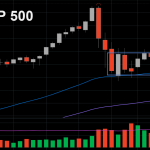
Overall, the S&P 500 fell by 3.8% over the week, marking its worst performance in nearly six months, while the Nasdaq ended 6.1% lower, its longest losing streak in over a year. The Dow Jones, however, limited its weekly loss to 0.9%.
On the geopolitical front, the markets initially reacted to an Israeli strike on Iran, which although reported to have limited impact, raised fears of further escalation in the Middle East. However, as details emerged that Iran’s nuclear facilities remained secure and the country downplayed the risks of an immediate response, the initial panic subsided somewhat.
Economic data released this week, including retail sales and the Philadelphia Fed Manufacturing Index, continued to indicate a resilient US economy, but also persistent price pressures. Federal Reserve policymakers maintained a cautious stance, indicating no rush to cut interest rates, with market expectations now pointing to a potential rate reduction not occurring until September.
The dollar index showed little change, stabilizing around 106 after paring early gains, as traders continued to evaluate the implications of the Middle Eastern conflict. Meanwhile, the yield on the US 10-year Treasury note dropped by about 5 basis points to below 4.6%, reflecting a brief spike in demand for safe-haven assets, although yields remain near a five-month high amid expectations that the Fed will maintain higher interest rates to combat inflation.
As investors navigate through turbulent market conditions characterized by tech sector volatility, geopolitical tensions, and economic data signaling sustained inflationary pressures, strategic planning becomes crucial. Here are potential scenarios, along that could help investors manage risks and capitalize on opportunities:
1. Diversification to Manage Tech Sector Volatility:
- Scenario: The technology sector has seen significant fluctuations, with major players like Nvidia and Netflix experiencing sharp declines.
- Strategy: Investors might consider diversifying their portfolios beyond high-growth tech stocks to include more stable, dividend-paying companies in sectors like utilities or consumer goods. Additionally, incorporating fixed-income assets can provide a buffer against stock market volatility.
2. Geopolitical Risks and Safe-Haven Assets:
- Scenario: The recent Israeli strike on Iran has injected uncertainty into global markets, initially boosting demand for safe-haven assets.
- Strategy: In light of potential escalation in Middle East tensions, investors could increase their allocation to traditional safe havens such as gold, U.S. Treasuries, or even certain currencies like the Japanese yen, which tend to perform well during geopolitical crises.
3. Sector Rotation Strategy Amid Economic Data:
- Scenario: Persistent inflation and robust economic indicators suggest the Federal Reserve may keep interest rates higher for longer.
- Strategy: Investors could rotate into sectors that historically benefit from high-interest rate environments, such as financials, which could gain from wider net interest margins. Conversely, sectors sensitive to interest rates, like real estate, might be reduced in portfolios.
4. Long-term Opportunities in Declining Markets:
- Scenario: Significant sell-offs in stocks like Nvidia and Netflix create potential long-term buying opportunities as these companies have strong fundamentals but are currently out of favor.
- Strategy: For those with a higher risk tolerance and a long-term horizon, gradually accumulating shares of oversold tech companies could be advantageous. Utilizing dollar-cost averaging to enter these positions can mitigate the risk of market timing.
5. Protective Hedging Strategies:
- Scenario: With ongoing market uncertainty and potential for further declines, investors holding large stock positions may seek protection.
- Strategy: Options strategies such as buying put options or setting up collar strategies can offer downside protection. These methods allow investors to manage risk effectively while maintaining exposure to potential upside.
6. Monitoring Macro Economic Indicators and Fed Actions:
- Scenario: With the Federal Reserve’s cautious stance on interest rate cuts, closely watching economic releases and Fed communications becomes even more critical.
- Strategy: Investors should stay informed on macroeconomic trends and adjust their investment strategies accordingly. Tools like economic calendars, Fed watch tools, and real-time news updates can aid in making informed decisions.
7. Exploring International Markets for Diversification:
- Scenario: Given the heightened volatility and potential overvaluation in U.S. markets, looking abroad might offer new opportunities.
- Strategy: Considering emerging market equities or developed markets outside of the U.S. can provide growth opportunities and reduce geographic concentration risk.