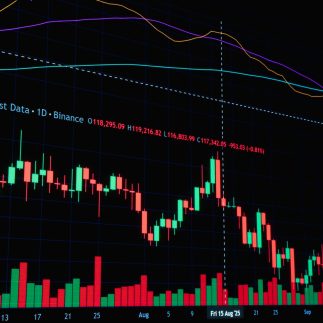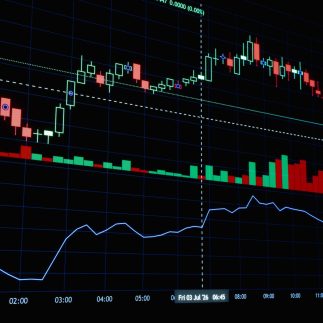
In the rapidly evolving landscape of financial markets, institutional market makers are adopting innovative strategies to maintain and enhance their competitive edge. This report delves into the cutting-edge approaches being employed, highlighting how technology, data analytics, and regulatory adaptability are being leveraged to optimize performance and profitability.
1. Introduction:
The role of market makers as facilitators of liquidity and efficiency in financial markets has never been more dynamic. In the face of increasing competition, technological advancements, and evolving regulatory landscapes, market makers are compelled to innovate continuously.
2. Adoption of Advanced Technologies:
- Artificial Intelligence and Machine Learning: Utilizing AI and ML for predictive analytics, enhancing decision-making in pricing, trading, and risk management.
- Blockchain and Distributed Ledger Technologies: Implementing these technologies for improved settlement efficiency and reduced counterparty risks.
3. Enhanced Data Analytics and Quantitative Strategies:
- Big Data Analytics: Leveraging vast amounts of data to gain insights into market trends, customer behavior, and predictive signals.
- Algorithmic Trading Strategies: Developing sophisticated algorithms to execute complex trading strategies at optimal speeds and volumes.
4. Regulatory Adaptability and Compliance:
- RegTech Solutions: Employing Regulatory Technology (RegTech) to streamline compliance processes, enabling quicker adaptation to regulatory changes.
- Global Regulatory Strategy: Formulating strategies to efficiently navigate different regulatory environments across global markets.
5. Client-Centric Innovations:
- Customized Liquidity Solutions: Offering tailored liquidity provisions to meet specific client needs, enhancing client relationships and retention.
- Multi-Asset Trading Capabilities: Expanding offerings to include a diverse range of asset classes, catering to a broader client base.
6. Risk Management Enhancements:

- Real-Time Risk Assessment: Implementing systems for continuous risk monitoring, allowing for immediate responses to market changes.
- Sophisticated Hedging Techniques: Utilizing advanced hedging strategies to mitigate risks associated with market making activities.
7. Environmental, Social, and Governance (ESG) Integration:
- ESG-Conscious Trading Practices: Incorporating ESG factors into trading decisions, aligning with the growing trend of sustainable investing.
- Transparency and Reporting: Enhancing transparency in ESG practices to meet the expectations of socially conscious investors.
8. Conclusion and Recommendations:
To remain competitive, institutional market makers must embrace innovation across multiple dimensions, from technological advancements to regulatory compliance, and client engagement strategies. Continuous investment in technology, talent, and infrastructure is crucial. Additionally, a proactive approach to understanding and integrating ESG factors will be increasingly important in aligning with market trends and investor preferences.
9. Future Outlook:
The landscape for market makers is poised to evolve continually, driven by technological innovations, regulatory changes, and shifting market dynamics. Institutions that effectively leverage these innovations while managing associated risks will be best positioned to thrive in this dynamic environment.