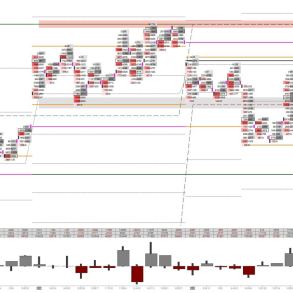
Market makers are essential participants in financial markets, responsible for maintaining liquidity and efficiency. Their role has evolved significantly over time, adapting to changes in technology, market structure, and regulatory environments. In this report, we will explore the crucial role of market makers and the evolution of their function in financial markets.
The Role of Market Makers:
Market makers are financial intermediaries that facilitate trading by providing continuous buy and sell quotes for a specific set of securities or assets. Their primary functions include:
- Liquidity Provision: Market makers stand ready to buy or sell assets at publicly quoted prices, ensuring that there are always counterparties available for traders. This continuous presence contributes to market liquidity, reducing bid-ask spreads and transaction costs.
- Price Discovery: Market makers play a pivotal role in price formation by continuously updating their quotes based on supply and demand dynamics. Their activities help establish fair market prices, benefiting all market participants.
- Risk Management: Market makers assume the risk associated with holding an inventory of assets. They manage this risk through various strategies, including hedging and proprietary trading, which can impact market stability.
Evolution of Market Makers:
The function of market makers has evolved significantly over the years, influenced by technological advancements and regulatory changes:
- Historical Evolution: In traditional open outcry markets, market makers were often individuals or firms with specific trading privileges. They relied on personal relationships and experience to provide liquidity. The role was less automated, and spreads were wider.
- Technological Advancements: With the advent of electronic trading, market makers adopted sophisticated algorithms and automated systems. High-frequency trading (HFT) firms emerged, using advanced technology to provide liquidity at unparalleled speeds, but also raising concerns about market stability.
- Regulatory Changes: Regulatory reforms, such as the Dodd-Frank Act and MiFID II, imposed stricter rules on market making activities to enhance transparency and reduce systemic risk. These regulations required market makers to adapt their strategies and risk management practices.
- Competition and Consolidation: Market making has become highly competitive, with a few major firms dominating the landscape. This concentration has raised questions about the potential risks associated with a lack of diversity among market makers.
- DeFi and Cryptocurrencies: The rise of decentralized finance (DeFi) and cryptocurrencies has introduced new forms of market making, often driven by automated smart contracts and liquidity pools, challenging traditional market makers and regulatory frameworks.
Conclusion:
Market makers are integral to the functioning of financial markets, ensuring liquidity and efficiency. Their evolution reflects the changing dynamics of the financial industry, influenced by technology, regulation, and market structure. As financial markets continue to evolve, market makers will need to adapt to new challenges and opportunities while maintaining their essential role in supporting market liquidity and stability.