Not a single barrel of Russian diesel has reached the US almost a month after President Donald Trump announced a deal with Vladimir Putin to release the fuel, and at least three tankers bound for American ports have changed course.
Trump announced the arrangement after an Oct. 9 call with Putin. Russia was to make more than 300,000 metric tons available immediately, another 500,000 tons in November and 1 million tons “immediately thereafter.” The US Treasury’s sanctions office issued a temporary exemption that allows Russian diesel to be sold, delivered, unloaded and imported until April 7.
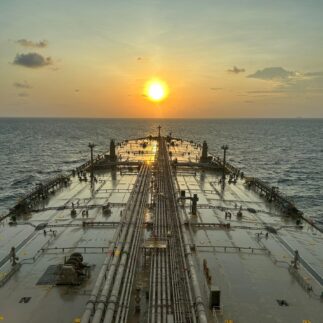
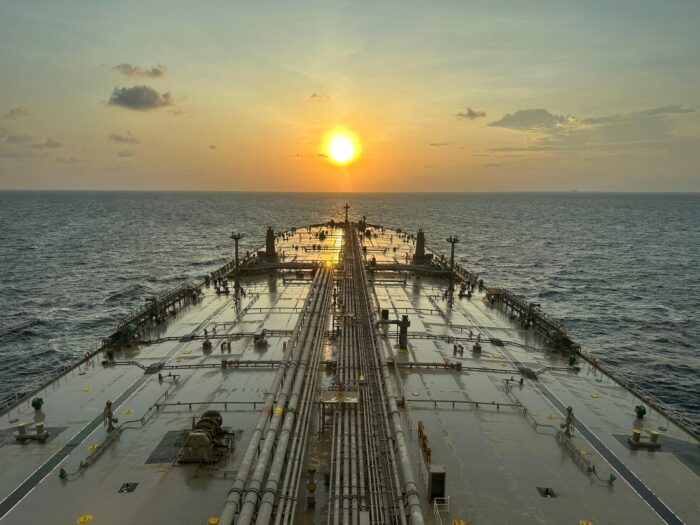
Two vessels, the Talisman and the Leruo, left the Baltic port of Primorsk last month with the US East Coast as their declared destination. As of last Thursday, vessel-tracking data showed one heading toward Brazil and the other into the Mediterranean. A third tanker still in the North Atlantic switched its destination from New York to “for orders,” which leaves its discharge port open. A fourth, the sanctioned Beast, loaded at Primorsk in late October and is signalling “Atlantic.” Russia has dispatched four diesel cargoes in total since the agreement.
The obstacle is legal rather than logistical. Congress’s ban on Russian energy imports remains in force, and a cross-party group of lawmakers passed a new sanctions package in September. New Jersey Governor Mikie Sherrill told port and terminal operators on Monday to turn away ships carrying the fuel and warned of “harsh penalties” for profiting from what she called illegal trade. Lawmakers have also cautioned banks, port authorities and fuel distributors that handling the cargoes could bring civil or criminal liability and congressional investigations. The Treasury says the exemption complies with all applicable laws, and no court has ruled on the dispute.
The market is sizable. US retail diesel topped $6 a gallon in September, nearly twice pre-war levels, and has stayed elevated since the US-Israel war on Iran began. Yet the first Russian shipment is equivalent to roughly two hours of US distillate consumption, one analyst estimated, and a long-range product tanker carries about 100,000 tons at most. That is a third of the 300,000 tons promised up front.
Moscow insists the plan is on track. Kremlin spokesman Dmitry Peskov said all the diesel “will find its buyers,” and envoy Kirill Dmitriev called reports of diverted tankers “fake,” saying vessels destined for the US are continuing on course.

Several terms of the deal remain undisclosed. Neither the White House nor the Kremlin has said whether it was put in writing, and neither has named the price, the payment terms or the companies involved. The volumes actually available for sale have not been made public, and analysts say they are smaller than those announced.
The shipments were also meant to ease a global product shortage that Trump blamed on Ukrainian strikes against Russian energy facilities. Those attacks have continued, and a Ukrainian drone strike on a Russian warship in the Gulf of Finland was among Thursday’s headlines. Russia is itself managing a domestic fuel shortage, which limits how much it can export.
Sources: Al Jazeera, Bloomberg.