China extended by two months its suspension of an additional 24% tariff on US imports, one day before the trade truce between the world’s two largest economies was due to expire. The Customs Tariff Commission of the State Council announced the move on Monday. It takes effect at 1:01 p.m. Beijing time on Nov. 10, and a separate 10% additional tariff on US goods stays in place.
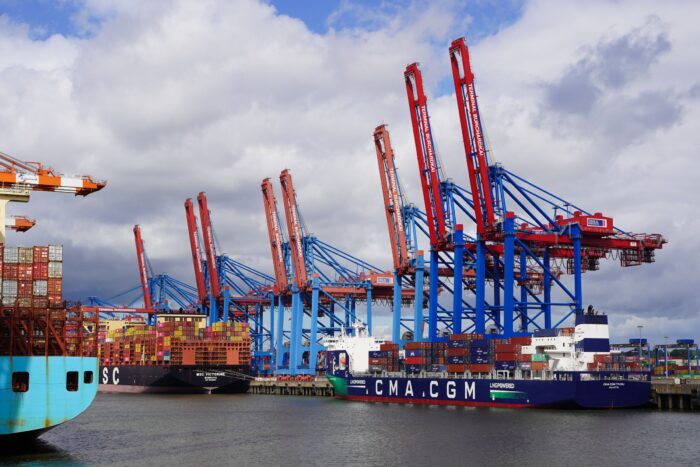
The Commerce Ministry matched the tariff decision with its own deferrals. Tightened export controls on superhard materials such as synthetic diamonds, certain rare-earth equipment and raw materials, heavy rare-earth metals and alloys, lithium and synthetic graphite used in battery manufacturing, and rare-earth-related technologies are postponed until Jan. 10, 2027. The transport ministry said special port fees on US-linked vessels are suspended until the same date, and a probe into shipping and shipbuilding supply-chain security remains on hold.
Retaliatory measures against 27 US-linked entities also stay suspended for two more months. They cover 16 firms barred from exporting dual-use goods, among them HiPoint Aerotechnology and Universal Logistics Holdings, and 11 companies on China’s unreliable entities list over Taiwan arms sales, including Skydio. Sanctions on five US units of South Korea’s Hanwha Ocean, imposed over cooperation with a US trade investigation into China’s shipbuilding and logistics industries, are paused as well.
The truce traces to the October 2025 Busan summit, which suspended a range of retaliatory steps for one year, through Nov. 10, 2026. After meeting Chinese Vice Premier He Lifeng in Washington on Sept. 23, Treasury Secretary Scott Bessent said both sides had agreed to push the deadline to Jan. 10, 2027. Monday’s announcements implement that extension on the Chinese side.
The commission tied its decision to a shift in US policy. It noted Washington’s stated plan to replace tariffs imposed under the International Emergency Economic Powers Act, which lost effect after a court ruling, with duties under Section 301 of the Trade Act. Beijing said it would watch subsequent US steps closely and adjust its tariff countermeasures at an appropriate time depending on circumstances.
The language leaves the arrangement conditional. The 24% suspension is not a repeal, and the 10% levy that China retained was not touched by the extension. The two-month window also runs only to Jan. 10, so the same set of deadlines will come up again within weeks of the new year.
Relations were not free of friction going into the announcement. On Friday, He held a video call with Bessent and US Trade Representative Jamieson Greer in which China voiced strong concerns over recent US trade and economic restrictions, while the US urged Beijing to carry out existing trade agreements in full. The decision comes ahead of the APEC summit, where President Donald Trump is expected to meet Chinese leader Xi Jinping; no date was given.
Less noticed is the breadth of the list that Beijing keeps in suspension rather than cancelling. It reaches beyond tariffs to battery-material and rare-earth technology controls, defence-linked entity listings and sanctions on a Korean shipbuilder’s US subsidiaries, all of which would again become live measures if the truce lapsed. The statement did not mention soybean purchases or any market reaction in the yuan or Chinese equities.
Sources: en.sedaily.com, unn.ua, bairdmaritime.com, Bloomberg.