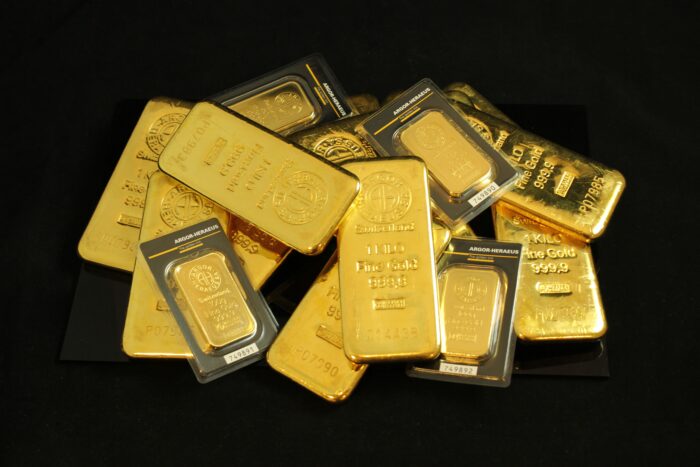
Spot gold traded near $4,005 an ounce on Tuesday, down about 0.2% to 0.3%, as a firm dollar and expectations of another Federal Reserve rate increase kept bullion pinned around the $4,000 threshold ahead of the central bank’s decision on Wednesday. December futures slipped 0.5% to about $4,016 to $4,020.
Gold broke below $4,000 on Friday for the first time since mid-July, touching a session low of $3,975.23, and finished the week 4% lower, its steepest weekly decline in about four months. Spot prices now stand roughly 28% below the record of about $5,595 set on Jan. 29, a day when the London benchmark price peaked at $5,405.
The Fed holds its target range at 3.75% to 4.00% after a quarter-point increase in September, its first since 2023. CME FedWatch data cited by Reuters put the odds of a hike this week at about 11% and of a December increase at about 82%. September PCE inflation and third-quarter GDP are due Thursday at 8:30 a.m. New York time.
The World Gold Council said gold fell 8.5% in September to $4,176 an ounce on the London benchmark. It linked the drop to a 2% rise in the dollar index, a 53 basis-point climb in the 10-year Treasury yield to 5.3% and a $12 billion (84 tonne) reduction in net speculative futures positions. The metal was down 4.4% for the year in dollar terms at the end of September.
Physical and fund buyers did not retreat. Global gold ETFs took in $10 billion, or 67 tonnes, in September despite the price decline, according to the council. The People’s Bank of China added 23 tonnes in September, its largest monthly purchase since October 2023, extending its buying streak to 23 consecutive months. Its third-quarter purchases reached 63 tonnes and its 2026 total 103 tonnes, lifting official holdings to 2,410 tonnes, or 8.5% of reserves.
Chinese gold ETFs drew inflows of 11 tonnes in September, their third straight monthly rise, and held a month-end record 304 tonnes. Third-quarter inflows were 27 billion yuan ($3.9 billion). Bloomberg reported that trading in the Shanghai Gold Exchange’s Au99.99 contract jumped to about 43 million lots last week, equal to roughly 430 tonnes and the highest since April, as households bought the dip.

The wholesale picture is weaker than the headline flows suggest. Shanghai Gold Exchange withdrawals, a gauge of physical demand, totaled 234 tonnes in the third quarter, down 21% from a year earlier and 44% below the ten-year average of 418 tonnes. The council cited persistently weak jewelry consumption as the main drag and said affordability and low consumer confidence may continue to limit tonnage demand in the seasonally strong fourth quarter.
Currency effects also separate the two markets. In yuan terms, Shanghai gold rose 3% in the third quarter and was down 7% for the year at the end of September, compared with a 4.4% year-to-date loss in dollars. China’s reserves fell 2% in September to $3.8 trillion, and the council’s full Gold Demand Trends report for the third quarter is due in early November.
Sources: brecorder.com, financefeeds.com, gold.org, Kitco, lbma.org.uk, Bloomberg.