Real gross domestic product increased at an annual rate of 1.5% in the second quarter of 2026, according to the advance estimate released by the U.S. Bureau of Economic Analysis on July 30. Growth decelerated from the 2.1% rate recorded in the first quarter. The figure came in below consensus forecasts that had centered near 2.1%. Current-dollar GDP rose 7.9%.
Increases in consumer spending, investment and exports drove the expansion and were partly offset by a decrease in government spending. Imports, which subtract from GDP, also rose. Real final sales to private domestic purchasers, the sum of consumer spending and gross private fixed investment, advanced 3.9%, up from 1.7% in the prior quarter. The price index for gross domestic purchases increased 5.7%, the personal consumption expenditures price index rose 5.1%, and the core PCE price index excluding food and energy climbed 3.4%.
Consumer spending accelerated, reflecting gains in both goods and services. Within goods, other nondurable goods led by prescription drugs, motor vehicles and parts led by new light trucks, and furnishings contributed. Services saw strength in food services and accommodations as well as financial services and insurance. Investment rose on higher equipment and intellectual property products spending, though private inventory investment and nonresidential structures declined. Exports increased, led by goods including petroleum products, while services exports fell. Government spending dropped, primarily reflecting federal nondefense consumption expenditures tied to sales of crude oil from the Strategic Petroleum Reserve.
Although headline growth slowed and missed expectations, real final sales to private domestic purchasers accelerated to 3.9% from 1.7%. Consumer spending itself strengthened relative to the first quarter. Equipment investment remained robust even as overall nonresidential fixed investment decelerated. The inventory and government components, including the Strategic Petroleum Reserve sales that reduce measured government consumption without a direct net effect on GDP, accounted for notable subtractions that tempered the top-line reading.

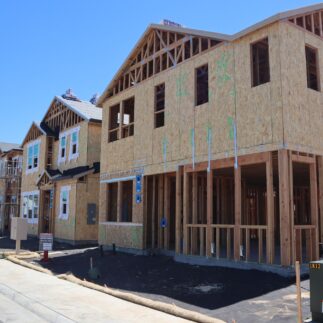
Residential investment rose 1.5%, its first increase in six quarters. Structures investment contracted for a tenth consecutive quarter. The largest drag from private inventories came from wholesale trade. Within imports, capital goods excluding automotive, including telecommunications equipment and semiconductors, led the increase. The BEA’s next release, the second estimate and corporate profits for the second quarter, is scheduled for August 26.