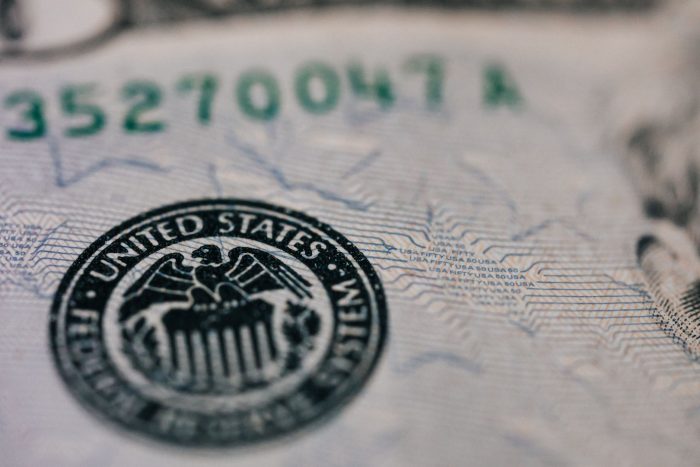
Federal funds futures imply a 34% to 38% probability that the Federal Open Market Committee will raise its benchmark rate by 25 basis points at the July 28-29 meeting, according to CME Group data as of late July. That marks a sharp increase from probabilities near 12% one week earlier. Markets continue to assign a majority likelihood, around 62% to 66%, that policymakers will leave the target range unchanged at 3.50% to 3.75%.
The shift in pricing follows a rebound in crude oil prices amid ongoing Middle East tensions that has renewed concerns over energy-driven inflation. June consumer price data showed the overall index falling 0.4% month-over-month, bringing the year-over-year rate to 3.5% from 4.2% in May. Core prices, excluding food and energy, were unchanged on the month and rose 2.6% from a year earlier, down from 2.9%.
Fed Chair Kevin Warsh has stated that prices remain too high and that the committee has no tolerance for persistently elevated inflation. In recent testimony, he described the June inflation improvement as positive relative to expectations but not “mission accomplished.” Officials have pointed to supply shocks, including those related to energy, as factors keeping inflation above the 2% goal.
September meeting odds for a rate increase stand higher, with some estimates near 45% to 80% depending on the source and timing. The committee’s June statement noted inflation remains elevated in part due to energy price increases. Futures also reflect expectations of possible additional tightening later in 2026 if price pressures persist.

While the rise in July hike odds has drawn attention, the majority of market pricing still favors a hold, and the June core reading of 2.6% year-over-year marked the slowest pace in recent months. Shelter costs eased to a 0.1% monthly increase, and several core goods and services categories showed softness. Energy price declines in June contributed to the headline drop, though subsequent oil gains have reversed some of that relief. Policymakers have emphasized that one month of cooler data does not resolve underlying pressures.
The federal funds effective rate has traded near 3.63%. Non-energy components of inflation have shown mixed signals, with medical care and apparel prices decelerating while certain services remain elevated. The July Monetary Policy Report highlighted that total inflation was projected to slow in the second half of the year as gasoline prices decline, though core inflation was expected to change little. Inventory and supply-chain effects tied to earlier Middle East disruptions continue to factor into staff forecasts. Prediction markets such as Kalshi have shown somewhat lower hike probabilities than futures-implied figures in recent sessions.








