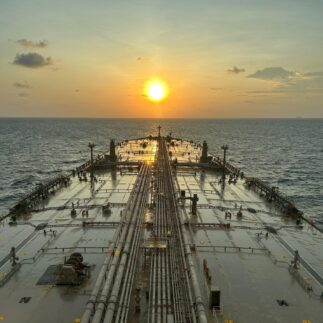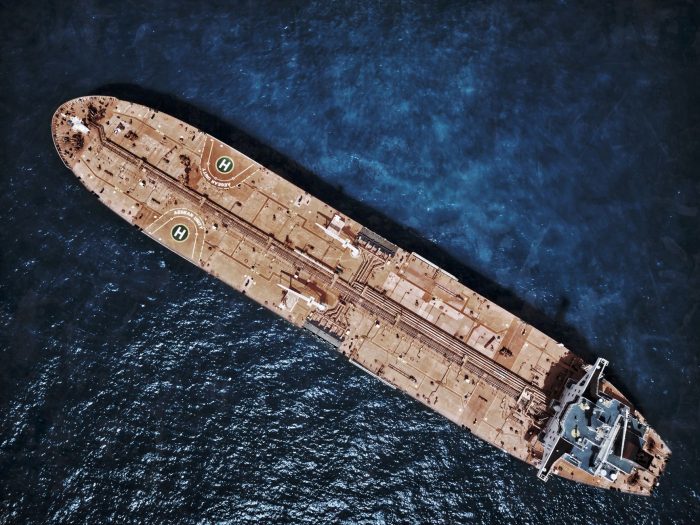
Brent crude futures climbed above $95 a barrel for the first time in weeks Tuesday, extending a rally from near $71 at the start of July, while West Texas Intermediate surpassed $85, as fresh US strikes and Iranian responses heightened fears of renewed disruptions through the Strait of Hormuz and Bab el-Mandeb.
US Secretary of State Marco Rubio signaled openness to diplomacy but described Iran as unserious on commitments, warning of consequences and reiterating US determination to protect shipping lanes. Iranian officials and Russian counterparts pushed back, insisting on talks without ultimatums. The latest flare-up follows months of intermittent clashes since US and Israeli operations began in late February 2026, with traffic through Hormuz running at roughly 8-10% of pre-conflict levels according to shipping data.
The surge comes amid reports of Iranian actions including strikes on US radar facilities in Kuwait and Houthi declarations of a Bab el-Mandeb blockade targeting Saudi shipments. US forces conducted additional strikes on Iranian sites, marking the 11th night of operations in the recent round. Global inventories remain tight, with US crude stocks at multi-decade lows contributing to gasoline prices hitting $4 a gallon in parts of the US.
While headlines emphasize immediate supply threats from Hormuz closure risks, actual throughput data shows persistent constraints rather than total shutdown, with CENTCOM figures indicating limited daily vessel movements since May. War-risk insurance premiums have risen sharply to 2-6% of hull value, pricing in elevated but not catastrophic disruption for VLCC transits. Earlier ceasefires and partial waivers had allowed limited Iranian export recovery before the July escalation reversed gains, underscoring volatility tied more to diplomatic signaling than sustained physical blockades.
Analyst projections of spikes to $120 have not fully materialized despite prior peaks near that level in March, as alternative routing, inventory draws, and non-OPEC supply responses have mitigated some impacts. Iranian export volumes, while sharply reduced from pre-war peaks, have shown intermittent rebounds under temporary measures.

Satellite imagery released by Iran documented the destruction of a US AN/FPS-117 long-range radar at Kuwait’s Ahmed Al-Jaber Air Base, a detail underscoring asymmetric capabilities persisting despite earlier US strikes on Iranian naval assets. Pre-conflict, Hormuz carried about 20% of global seaborne oil and significant LNG; current flows reflect severe but not absolute curtailment, with stranded cargoes and force majeure declarations echoing earlier phases of the conflict.
Historical parallels from the initial February-March 2026 phase saw Brent surge over 50% in weeks before partial stabilization, highlighting how insurance markets and naval escorts have historically restored partial functionality faster than broad narratives suggest. Lesser-reported tanker tracking shows select vessels continuing operations with switched-off identifiers amid elevated premiums.