The U.S. military conducted another round of strikes on Iranian targets near the Strait of Hormuz on Sunday, hitting dozens of sites including air defense systems, coastal radar, missile and drone capabilities, and small boats, while Iran responded with attacks on U.S. allies in the Gulf and asserted control over the waterway.
U.S. Central Command said the latest strikes, ordered by President Donald Trump to hold Iranian forces accountable, aimed to degrade Tehran’s ability to threaten commercial shipping. Iranian state media reported explosions in areas including Bandar Abbas, Sirik, Jask and Qeshm Island, with retaliatory strikes on Bahrain, Kuwait, Jordan and other regional sites. Shipping traffic through the strait slowed to multi-week lows amid the escalation that followed Iran’s attacks on commercial vessels in recent days.
Oil prices jumped on the developments, with Brent crude rising more than 4% at one point to around $73 per barrel levels in early trading Monday. U.S. crude also climbed. Bond yields rose as investors repriced inflation risks from potential supply disruptions, while global stocks showed mixed or negative reactions ahead of key U.S. economic data. The exchanges mark the latest breakdown in a fragile ceasefire outlined in a June memorandum of understanding that had aimed to reopen the strait after earlier blockades.
The Strait of Hormuz handles about one-fifth of global oil trade. Iran has repeatedly targeted vessels and declared the waterway closed or under its control in recent weeks, prompting U.S. responses that included multiple rounds of strikes since early July. Trump previously described the truce as over after initial Iranian actions on shipping, though some diplomatic channels remained active. Shipping data showed reduced transits, with vessels sometimes deactivating tracking or taking alternative routes near Oman.
Media coverage often framed the latest strikes as a straightforward escalation risking broader war and major oil disruptions, yet U.S. officials maintained the strait remains open with coordinated transits continuing, including around 20 commercial vessels in the prior 24 hours versus pre-crisis averages of 100-140 daily. Iranian claims of full closure or control were not matched by complete shutdowns, and some shipping persisted despite slowdowns. Oil price gains, while notable, remained below levels seen in earlier phases of the conflict, and markets showed limited sustained panic, with some indices paring losses amid ongoing AI and earnings focus. Earlier ceasefire extensions and hotlines for coordination indicated more contained tit-for-tat dynamics than all-out confrontation.

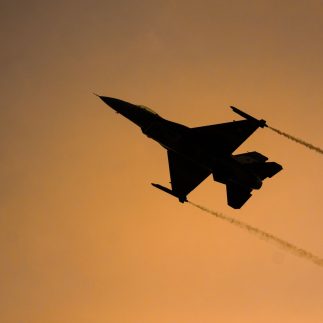
U.S. strikes utilized fighter aircraft, naval vessels, and one-way attack drones, with unconfirmed reports of impacts on senior Islamic Revolutionary Guard Corps figures and facilities. The June memorandum followed earlier blockades and naval escorts, including Operation Project Freedom, and included provisions for a 60-day negotiation period toward a final deal. Iran’s actions on shipping reportedly followed Israeli moves in Lebanon cited as violations, while U.S. responses targeted specific military capabilities rather than broader infrastructure. Traffic data from sources like the Joint Maritime Information Center highlighted Oman-coordinated routes as a workaround, and the conflict’s origins trace to February events involving strikes on Iranian officials.
Enjoyed reading this article? Access ready-to-use chart templates combined with training content and market research to apply it on any market by investing in a membership.