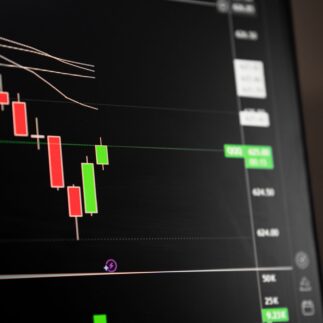
US equity futures edged higher in early trading on July 9 after a volatile session the prior day triggered by renewed US-Iran hostilities. S&P 500 futures gained around 0.3% while Nasdaq 100 contracts rose similarly as investors assessed limited immediate supply disruptions from the Persian Gulf. The Dow futures advanced modestly.
The moves came after the Dow Jones Industrial Average dropped 576.76 points, or 1.09%, to close at 52,348.39 on July 8. The S&P 500 fell 0.28% to 7,482.71 while the Nasdaq Composite rose 0.2% to 25,870.65. Brent crude futures jumped 5.2% to settle at $78.02, the highest since June 19, before paring gains early Thursday. West Texas Intermediate advanced 4.4% to $73.52.
President Donald Trump declared an interim ceasefire with Iran over following Iranian attacks on commercial vessels in the Strait of Hormuz. US Central Command carried out strikes on around 90 Iranian military targets, including air defense and naval assets. The US Treasury revoked a waiver allowing limited Iranian oil sales.
Initial headlines focused on broad risk-off moves and potential prolonged oil supply threats. However, futures recovered ground with dip-buying evident in technology shares even as energy prices held elevated levels. Shipping data showed vessels continued limited transits via alternative routes rather than a complete halt. US strikes avoided primary Iranian oil export infrastructure such as Kharg Island terminals. Broader indices closed the prior session with the Nasdaq in positive territory despite the energy spike, indicating selective resilience rather than uniform selling pressure.
The July 8 session marked the first notable test of post-ceasefire market dynamics after the June memorandum that had allowed partial reopening of Hormuz traffic. Prior to the latest incidents, some tankers had operated under selective approvals or toll arrangements. The revoked waiver carried a 60-day window with a required wind-down of existing transactions by July 17. Iranian retaliatory actions extended to sites in Gulf states, adding regional insurance and routing costs beyond direct strait transits. Earlier 2026 disruptions saw oil peak near $103 per barrel before partial recoveries on rerouting and contained escalation.
Enjoyed this article? Get access to timed prime market insights and educational content to expand the horizon towards advanced wealth creation by investing in a membership.