Oil prices extended gains into early Asian trading on July 9 after the US military conducted fresh strikes on Iran, with Brent crude futures rising as much as 1.1% to around $78.88 a barrel before stabilizing near $77. Brent settled at $78.02 the previous session, its highest close since June 19, after climbing 5.2%. West Texas Intermediate futures advanced 1.2% early to $74.37, following a 4.4% gain to $73.52 on July 8.
The moves followed US Central Command confirmation of additional strikes targeting Iranian military sites, including air defense systems and naval assets, in response to Iranian attacks on commercial vessels in the Strait of Hormuz. President Donald Trump declared an interim ceasefire over after the tanker incidents, prompting the revocation of a US Treasury waiver that had allowed limited Iranian oil sales. Iran responded with strikes on sites in Bahrain, Kuwait and Qatar.
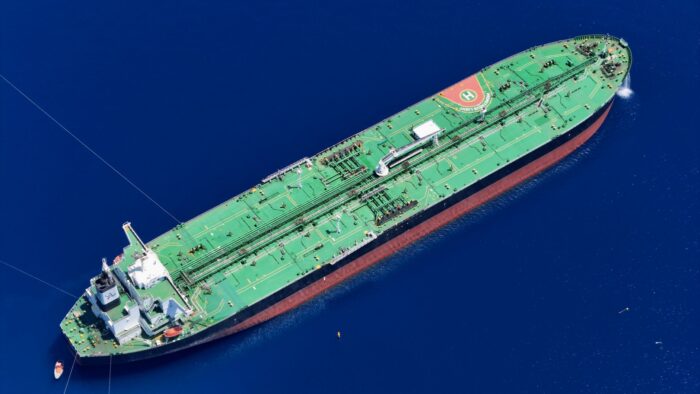
The Strait of Hormuz, which carried about one-fifth of global oil supplies before the broader conflict, has seen disrupted shipping traffic since the escalation. Three tankers were hit in the latest incident, reviving concerns over supply flows from the Persian Gulf. War-risk premiums for vessels in the region rose, and some operators rerouted traffic. US forces completed the latest round of strikes late on July 8, hitting approximately 90 targets.
While many reports emphasized an immediate and sustained oil rally tied to full Strait closure risks, actual price action showed moderation on July 9, with Brent easing from session highs toward $77 after early gains. Shipping data indicated vessels continued limited movements through alternative routes or under selective approvals, preventing a total shutdown. Iranian oil revenue losses from prior blockades reached billions, but selective exports and non-oil routes limited the immediate global supply shortfall compared to peak disruption scenarios in March. Analysts noted that US strikes avoided core oil infrastructure such as Kharg Island export terminals, containing escalation risks below full wartime levels.

The latest US strikes spared major Iranian oil production and export facilities, focusing instead on air defense and naval capabilities near the Strait. Prior to the July incidents, a June ceasefire memorandum had allowed partial reopening of Hormuz traffic, with some tankers paying tolls or receiving selective Iranian approvals. The revoked US waiver, issued under the prior framework, had a 60-day window and required wind-down of existing deals by July 17. Iranian Revolutionary Guard Corps actions targeted allied Gulf state sites in retaliation, adding layers to regional insurance and routing costs beyond direct Hormuz transits. Historical parallels from earlier 2026 disruptions showed oil prices peaking near $103 before partial recoveries on rerouting.
Enjoyed this article? Access prime market insights and educational content to expand your horizon towards advanced wealth creation by investing in a membership.