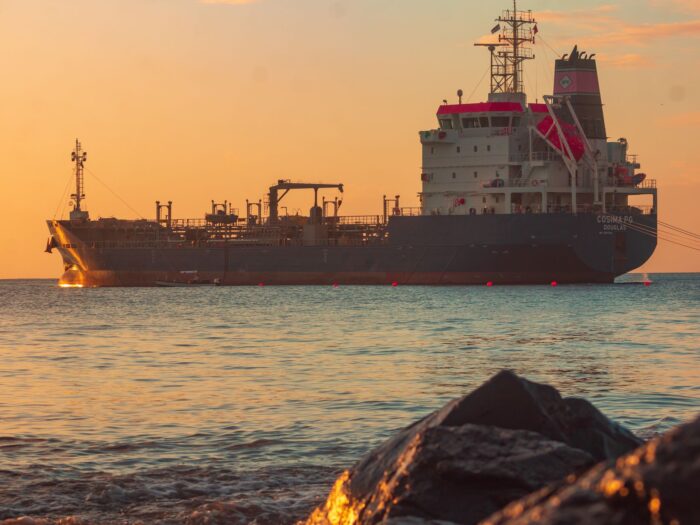
Flows through the Strait of Hormuz have rebounded sharply in recent weeks, relieving the acute supply fears that gripped markets earlier this year. Tankers once idled or rerouted are again moving crude from key Gulf producers, while OPEC+ members signal another upward adjustment to output quotas for the coming months. The combination is pushing benchmark prices lower and shifting the balance of risks firmly toward oversupply by year-end.
The mechanics are straightforward yet carry layered consequences. Reduced disruptions in the strait have allowed previously stranded volumes to reach buyers, easing the tight physical balances that had supported prices above $80 earlier. At the same time, the alliance is on track for its latest quota expansion, adding incremental barrels even as several members still struggle to hit prior targets. Market participants tracking tanker movements and loading schedules at key terminals note the normalization has been faster than many expected after the height of regional friction.
This supply-side relief arrives against a backdrop of resilient non-OPEC production, particularly from the United States and other shale-heavy regions, and moderating demand growth in key Asian economies. Refiners in China and India have shown selective buying patterns, prioritizing discounted grades and building inventories where economics permit. The net result is a market that appears headed for a surplus later in 2026, a dynamic few anticipated when conflict risks first escalated.
Most commentary continues to emphasize lingering geopolitical premiums and the potential for renewed disruptions. Headlines highlight missile exchanges, diplomatic maneuvering, and the strategic importance of the strait. Yet the data on actual flows tell a different story. tanker tracking services and export figures already reflect a meaningful recovery in volumes, suggesting the market has begun to price in a more durable reopening than the prevailing narrative allows.
OPEC+’s repeated quota increases, while partly symbolic given prior under-delivery, further erode the scarcity premium. Several core producers have demonstrated capacity to respond quickly once logistics normalize. The consensus focus on headline risk overlooks how quickly physical balances can shift when maritime security improves and incremental supply decisions compound. This disconnect matters because positioning remains skewed toward bullish bets that may need unwinding if the surplus materializes faster than models project. Investors and corporates relying on elevated price assumptions for budgeting or hedging face material revision risk.
Second-order effects are already visible. Discounted Middle Eastern grades have narrowed against benchmarks, pressuring margins for certain complex refiners while benefiting simpler facilities in Asia. Storage operators report rising utilization in key hubs, a quiet signal of inventory builds that often precede softer futures curves. Equity markets in upstream sectors have started to differentiate: companies with flexible, low-cost production or strong hedging programs hold up better than those exposed to longer-cycle or higher-breakeven assets.

Geopolitical risk has not disappeared, only receded in immediacy. Any fresh escalation or diplomatic setback could trigger sharp short-covering rallies. Decision makers should therefore maintain scenario planning around a base case of $55–$65 Brent trading through the second half, with upside spikes possible but increasingly short-lived as supply flexibility improves. Capital allocation favoring efficiency, inventory management, and downstream integration looks increasingly prudent.
The oil market’s latest move underscores a recurring truth: physical realities and incremental policy decisions often matter more than headline risk over multi-quarter horizons. Those positioned for normalization rather than perpetual disruption stand to capture the more durable alpha as the year progresses.
Enjoyed this article? Access highly trusted training content and prime market insights by investing in a membership.








