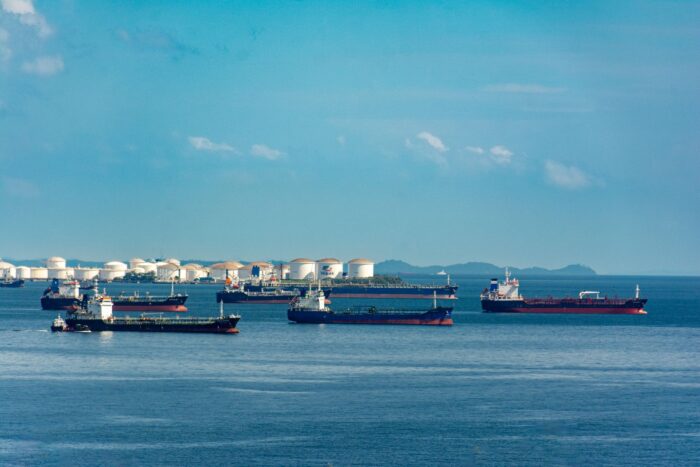
The United States has concluded its most recent round of military strikes on Iranian targets but left open the possibility of further action if Tehran fails to engage constructively in peace efforts. Oil prices eased in early trading as investors bet on accelerating diplomacy aimed at restoring traffic through the Strait of Hormuz, the critical chokepoint that has been largely disrupted for months.
West Texas Intermediate crude fell toward 91 dollars a barrel after climbing in the prior session on renewed tensions. Brent, the global benchmark, showed similar moderation. The pullback reflected growing expectations that high level talks could yield a framework for de-escalation, even as both sides maintain firm public stances. Gulf shipping activity has shown tentative signs of recovery in recent days, according to energy officials, though full normalization remains distant.
The latest US operations were described by administration officials as limited and defensive in nature, responding to specific threats following incidents involving Iranian drones and missiles. President Donald Trump emphasized that the actions were not intended as a broader offensive but served to protect American interests and allies in the region. “We acted when necessary, and now we are focused on getting a deal that works,” Trump said in remarks that underscored a dual track of strength and negotiation.
Financial markets reacted with measured relief. Equity futures edged higher as the immediate risk of wider conflict appeared to recede, though broader caution lingered amid elevated energy costs. The conflict has contributed to a notable rise in headline inflation pressures, with energy components pushing consumer price measures higher in recent readings. Central bankers are watching closely for second round effects on global growth.
Energy traders remain positioned for volatility. While the pause in strikes offers breathing room, the Strait of Hormuz continues to operate well below capacity, disrupting roughly one fifth of global oil flows. Alternative routes and strategic releases from reserves have helped mitigate the worst shortages, yet sustained disruption risks keeping crude elevated through the summer.
Market optimism around an imminent diplomatic breakthrough may be premature and overly sanguine. While traders are pricing in a relatively swift reopening of the Strait and a cooling of hostilities, history and current realities suggest that fragile ceasefires in the region often unravel under the weight of unresolved core disputes, including nuclear concerns and proxy activities.

Skeptics argue that the Trump administration’s calibrated approach, blending targeted pressure with talks, could still face significant tests. Iran has shown resilience in past episodes, and domestic political dynamics in Tehran may harden against perceived concessions. Moreover, any partial reopening of Hormuz traffic could prove temporary if underlying security guarantees are not ironclad. Investors betting heavily on de-escalation relief may be underestimating the potential for renewed flare ups that could send oil spiking back toward triple digit levels and reignite broader inflation fears. A more prudent stance might involve hedging for prolonged uncertainty rather than embracing the current relief rally too aggressively.
Analysts will monitor upcoming diplomatic readouts and energy flow data for confirmation of sustained progress. For now, the combination of military restraint and active negotiations has bought time, but the path to lasting stability in one of the world’s most volatile energy corridors remains narrow.
Enjoyed this article? Access highly trusted training content and prime market insights by investing in a membership.