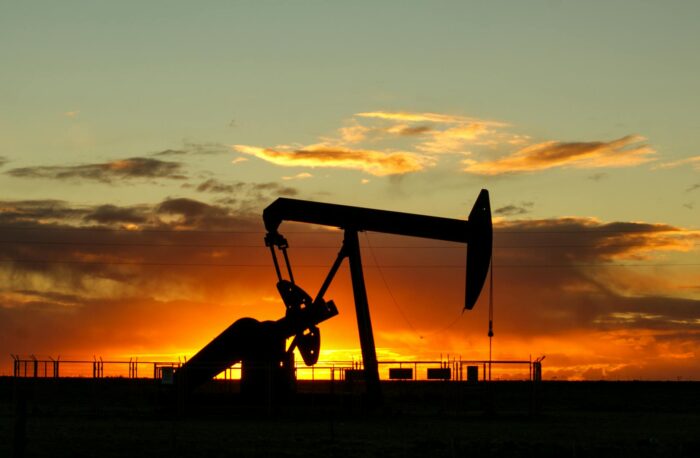
Brent crude futures climbed toward $98 per barrel on Wednesday, extending gains for a third straight session as uncertainty over U.S.-Iran ceasefire negotiations kept a geopolitical risk premium alive in oil markets. Renewed reports of strikes, halted messaging between Tehran and Washington, and doubts over reopening the Strait of Hormuz have reversed some of May’s sharp declines, pushing prices well above levels seen before the latest flare-ups.
The moves come despite earlier optimism around a potential 60-day ceasefire extension. Conflicting signals, including Iranian accusations of U.S. violations and stalled indirect talks, have traders bracing for prolonged supply risks through the critical waterway that handles roughly 20% of global oil flows.
U.S. energy stocks have delivered strong year-to-date gains, with the S&P 500 Energy sector up roughly 25-27% as of early June, outperforming the broader index. Integrated majors like ExxonMobil and Chevron have benefited from higher realizations, while service providers and select explorers posted even sharper moves. However, the sector has lagged the S&P 500’s record-setting tech-driven rally in recent sessions, reflecting profit-taking and broader market rotation.
Winners
- U.S. Oil Producers and Integrated Majors: Higher prices flow directly to cash flows. ExxonMobil and Chevron have seen shares trade near highs, with analysts projecting significant free-cash-flow windfalls if Brent sustains the $90–$100 range. Domestic shale operators with hedged or low-breakeven production stand to gain most.
- Oilfield Services: Companies like Halliburton, SLB, and Baker Hughes are seeing drilling and completion activity pick up, with strong earnings momentum.
- Non-OPEC Exporters: Nations such as Brazil, Canada, and U.S. shale regions capture upside without direct Hormuz exposure.
- Defense and Related Plays: Geopolitical tension supports broader security-themed investments.
Pressured
- Consumers and Inflation-Sensitive Households: Elevated gasoline and heating costs have weighed on sentiment, with University of Michigan consumer confidence hitting record lows amid energy-driven price pain.
- Energy Importers: Europe, Japan, India, and much of Asia face higher import bills, pressuring trade balances, currencies, and corporate margins in transportation, chemicals, and manufacturing.
- Refiners and Downstream: Crack spreads can compress when crude spikes faster than product prices; some independents face margin pressure.
- Broad Equities (Indirectly): Persistent high oil risks delaying Fed rate cuts and capping multiples in rate-sensitive sectors.
Portfolio Shifts in a Volatile Regime
Portfolio managers are adjusting for a higher-for-longer oil environment. Strategies include:
- Barbell Allocations: Core holdings in proven energy majors paired with defensives (utilities, staples) or AI/tech for growth diversification.
- Hedging: Options or futures overlays to protect against further spikes or sharp reversals on diplomatic breakthroughs.
- Geographic Rotation: Favoring North American energy over pure EM exposure tied to imports; selective EM plays in Latin American or Gulf producers.
- Thematic Overlays: Exposure to nuclear and renewables as long-term hedges against fossil volatility, alongside traditional oil & gas.
Analysts caution that while energy has been a standout performer amid 2026’s macro crosscurrents, valuations have expanded, and a durable ceasefire reopening Hormuz could trigger a sharp pullback in the sector.

While the Street largely views the current oil surge as a tactical, geopolitically driven opportunity favoring energy overweight positions, a contrarian camp warns of structural risks. Sustained high prices could accelerate demand destruction, hasten the energy transition, and invite renewed OPEC+ responses or U.S. production surges that cap upside. Bears highlight that energy stocks, despite recent gains, have historically struggled to sustain outperformance in non-recessionary periods once initial shocks fade. If diplomacy advances and inventories rebuild faster than expected, the sector could underperform as rotation back into growth equities accelerates. Moreover, prolonged elevation risks tipping sticky inflation higher, forcing central banks to stay restrictive longer, a scenario that could weigh on the entire risk asset complex, including energy itself.
The coming days and weeks will hinge on whether ceasefire talks regain momentum or if fresh incidents in the Gulf push Brent decisively above $100. In this environment, selectivity within energy, and disciplined risk management across portfolios, remains paramount.
Enjoyed this article? Access highly trusted training content and prime market insights by investing in a membership.








