Diplomatic efforts between Washington and Tehran are gaining traction, with mediators in Qatar and Pakistan reporting movement toward a framework that could reopen the Strait of Hormuz and ease one of the most severe energy supply disruptions in modern history. Yet fresh US strikes on Iranian missile sites and boats near Bandar Abbas, alongside Iranian accusations of ceasefire violations and threats of retaliation, underscore the fragility of the fragile truce.
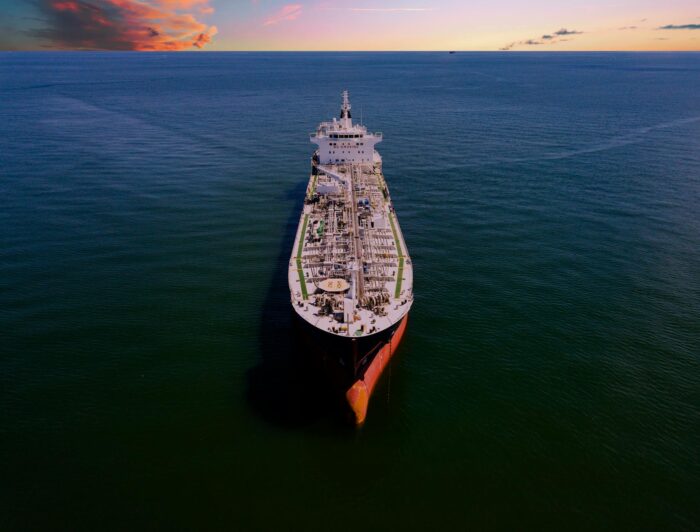
The narrow waterway, through which roughly one-fifth of global seaborne oil and significant LNG volumes once flowed, remains a flashpoint. US naval forces continue enforcing a blockade on Iranian ports, while Iran has restricted commercial traffic in response. Recent incidents, including US actions disabling Iranian-flagged tankers attempting to breach the blockade and Iranian responses targeting vessels, have kept tensions elevated even as both sides signal interest in de-escalation.
President Donald Trump has struck a cautiously optimistic tone, saying talks are “proceeding nicely” without rushing into a final agreement. Secretary of State Marco Rubio has emphasized giving diplomacy space, while Iranian officials have described progress on key issues including nuclear parameters, sanctions relief tied to uranium stockpiles, and reopening the strait under managed conditions with Omani involvement.
Oil markets have swung wildly on the headlines. Brent crude fell toward the mid-$90s per barrel in recent sessions on deal optimism, erasing some of the war premium that pushed prices above $110–$130 earlier in the conflict. Stocks, particularly in energy-dependent sectors and Asian markets reliant on Gulf supplies, have climbed toward records as investors price in a potential resumption of flows.
Yet volatility remains high. Implied volatility in oil futures has stayed elevated compared to pre-conflict levels, reflecting uncertainty over the timeline for any reopening and the risk of renewed clashes. Spare capacity from Saudi Arabia and the UAE offers some buffer, but analysts warn that a prolonged partial closure could still trigger physical shortages and higher freight/insurance costs.
Global economic ripple effects have been significant: higher energy costs have weighed on consumer sentiment in the US and Europe, strained budgets in import-dependent nations, and complicated central bank decisions amid sticky inflation.
Mainstream sentiment leans heavily toward relief: a deal would flood markets with previously stranded Iranian barrels (potentially 2–3 million per day), Saudi spare capacity would cushion any transition, and the war premium would evaporate quickly, sending prices materially lower.
A growing cohort of contrarian voices argues this view underestimates structural realities. Global inventories have been drawn down sharply during the disruption, hundreds of millions of barrels in recent months, leaving Asia at critically low stock levels and the US vulnerable by mid-summer. Even a phased reopening faces logistical hurdles: mine clearance, insurance normalization, and verification protocols could take weeks or months.
“Sell the tweet, buy the molecule,” echoes veteran commodities strategist Jeff Currie, pointing to repeated false dawns in negotiations. Any initial supply surge from Iran might be offset by OPEC+ dynamics, Chinese demand resilience, and the sheer time required to restore full transit confidence. A disorderly or incomplete deal could instead prolong tightness, with prices finding support well above pre-crisis levels rather than crashing. Downside risks to producers exist, but upside supply-crunch scenarios remain underpriced.

A potential memorandum could include US pullback from certain positions, sanctions easing tied to nuclear curbs, and Iranian commitments to commercial shipping protocols. Mediators aim for a 30–60 day extension of the ceasefire to hammer out details, possibly under UN auspices.
Success would mark a major de-escalation in a conflict that has already reshaped energy flows, boosted alternative routes, and tested naval strategies. Failure, or a return to outright hostilities, risks reigniting the worst supply shock in decades.
For now, markets are betting on progress. The test will come in whether tanker movements resume meaningfully and whether diplomats can bridge remaining gaps on verification and enforcement before the next incident in the chokepoint tips the balance.
Enjoyed this article? Access highly trusted training content and prime market insights by investing in a membership.