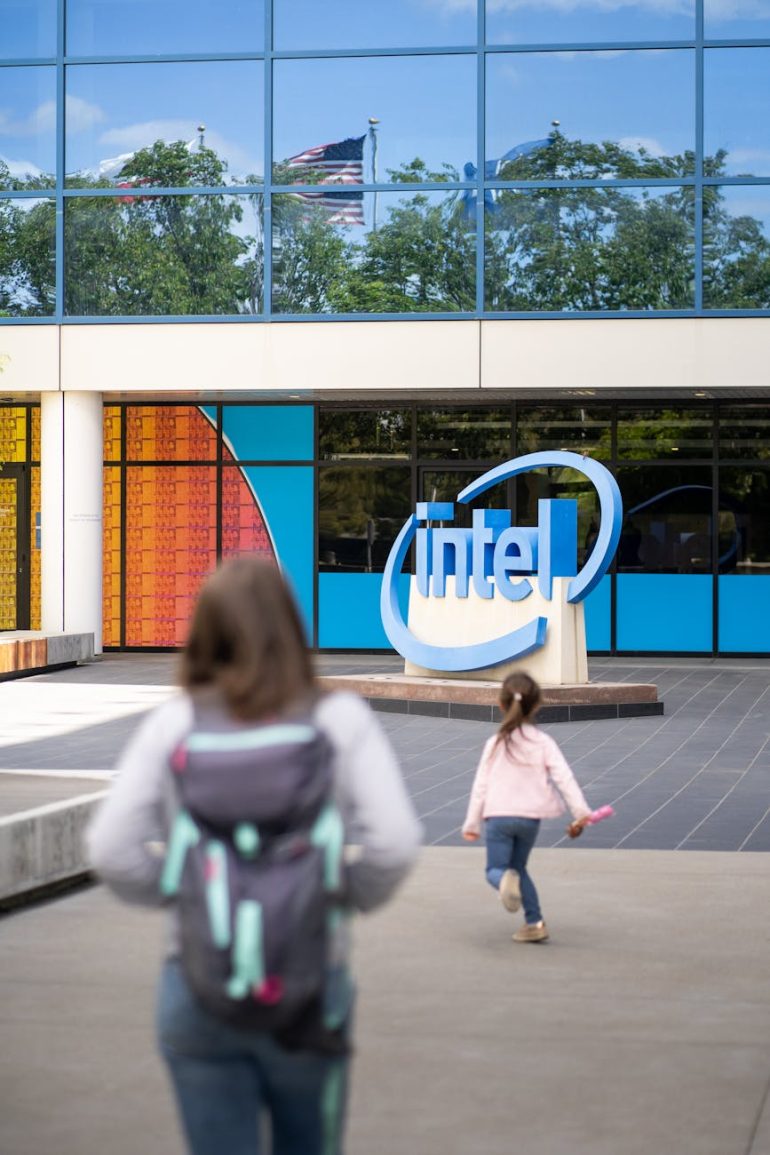
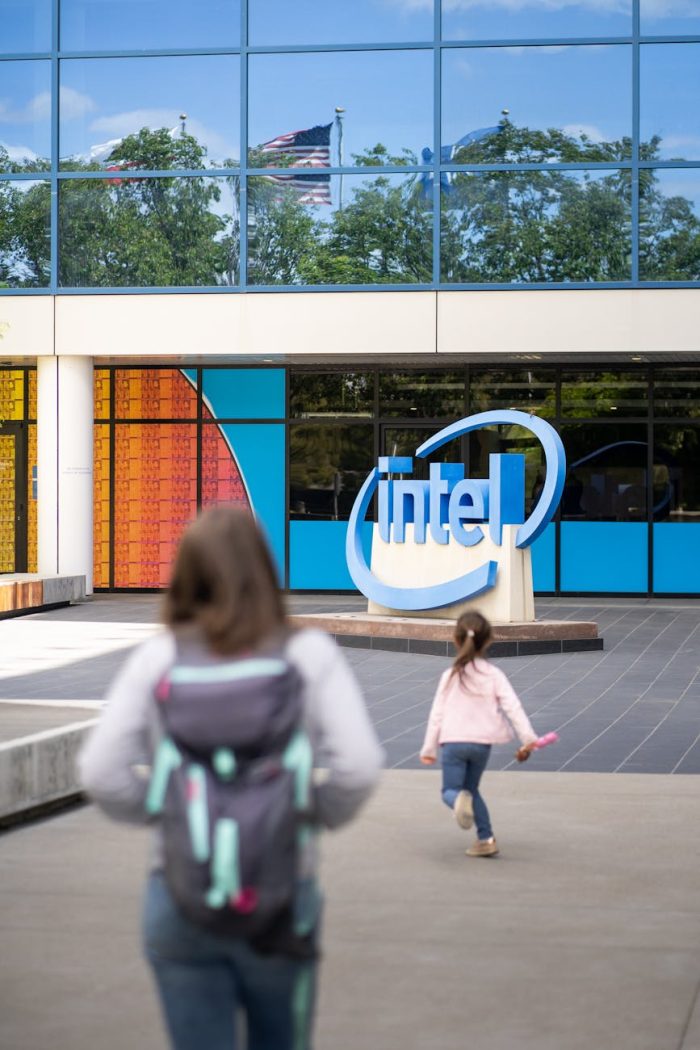
Intel Corporation, a cornerstone of the U.S. semiconductor industry, is reportedly bracing for another round of layoffs that could significantly impact its American workforce, according to unverified industry chatter. The potential job cuts come as the company navigates escalating tariff costs, fierce competition from rivals like Nvidia and AMD, and ongoing efforts to streamline operations under new CEO Lip-Bu Tan. While Intel has not officially confirmed the layoffs, the rumors have sparked concern among employees and investors, highlighting the broader challenges facing the tech giant in a rapidly evolving market.
The speculation follows Intel’s announcement earlier this week of plans to reduce its global workforce by more than 20%, potentially affecting over 21,000 employees, as part of a sweeping restructuring to eliminate bureaucratic inefficiencies and refocus on an engineering-driven culture. This move, reported by Bloomberg News, marks the largest workforce reduction in Intel’s history and builds on a prior cut of 15,000 jobs in August 2024, which was part of a $10 billion cost-saving initiative. At the end of 2024, Intel employed approximately 108,900 workers globally, with a significant portion based in the U.S., particularly in states like Oregon, Arizona, and California.
Industry insiders suggest the latest layoffs could disproportionately affect Intel’s U.S. operations, driven by rising tariff costs stemming from U.S.-China trade tensions. China, which accounted for nearly one-third of Intel’s 2024 revenue, has threatened retaliatory tariffs of up to 85% on U.S.-made chips, potentially squeezing Intel’s margins. The company’s decision to shift high-volume 3nm chip production to its Fab 34 facility in Ireland later this year, as noted in its 2024 annual report, may help mitigate some tariff-related pressures, but it could also signal a reduced reliance on U.S.-based manufacturing, raising fears of domestic job losses.
Competitive pressures are compounding Intel’s challenges. The company has struggled to keep pace with Nvidia’s dominance in AI-driven hardware and AMD’s gains in both PC and data center markets. Intel’s PC division is projected to see an 11% revenue drop for the March quarter, while its data center business faces its twelfth consecutive decline, according to Reuters. The cancellation of its Falcon Shores AI chip project in January further underscored Intel’s struggles to gain traction in the lucrative AI market, leaving it vulnerable to competitors capitalizing on soaring demand for AI processors.
Under Tan’s leadership, Intel is undergoing a broader organizational overhaul to flatten its corporate hierarchy and accelerate decision-making. The company’s data center, AI chip, and PC chip divisions now report directly to the CEO, a move aimed at enhancing agility in a sector defined by rapid technological advancement. However, the unverified chatter about additional layoffs suggests that these efforts may involve further workforce reductions, particularly in middle management and non-engineering roles, as Intel seeks to align its cost structure with its diminished revenue outlook. In 2024, Intel reported $53.1 billion in revenue, down from $54.2 billion the previous year, with its stock plummeting 60% over the course of the year.
The timing of the rumored layoffs coincides with Intel’s upcoming Q1 earnings report, scheduled for April 24, 2025, which analysts expect to show a 3.4% revenue decline and nearly $945 million in losses, compared to $381 million a year earlier. The market is closely watching for signs of progress in Tan’s turnaround strategy, but the prospect of further job cuts has fueled uncertainty. Posts on X reflect growing unease, with some users framing the layoffs as part of a broader trend in the tech industry, while others criticize Intel’s reliance on federal grants under the CHIPS and Science Act—totaling $7.9 billion—amid ongoing workforce reductions.
For Intel’s U.S. employees, the uncertainty is palpable. The company has a history of offering comprehensive severance packages, as seen in prior layoffs, but the scale of the rumored cuts could strain morale and local economies in tech hubs like Oregon, where Intel announced 1,300 layoffs in October 2024. Employees in states with significant Intel presence, such as Arizona and California, are bracing for potential impacts, with some speculating that the cuts may target overlapping roles created during Intel’s aggressive expansion under former CEO Pat Gelsinger.

As Intel grapples with these challenges, the broader tech industry is also facing a wave of restructuring. Companies like AMD, which recently announced a 4% workforce reduction to focus on AI, and Stellantis, which laid off 900 U.S. workers due to tariff impacts, reflect a sector under pressure from economic headwinds and technological shifts. For Intel, the path forward hinges on its ability to regain competitive footing while managing costs—a delicate balance that may come at the expense of its workforce.
Intel has not responded to requests for comment on the layoff rumors. As the company prepares to unveil its Q1 results, investors and employees alike await clarity on the scope of the cuts and the broader implications for Intel’s future in a fiercely competitive landscape.
Enjoyed this article? Stay ahead of the market with our market research by investing in a membership.