In response to the current energy market conditions, our perspective emphasizes a cautious approach to crude oil and heating oil, balanced with selective exposure to natural gas due to supply disruptions and short-term demand pressures.
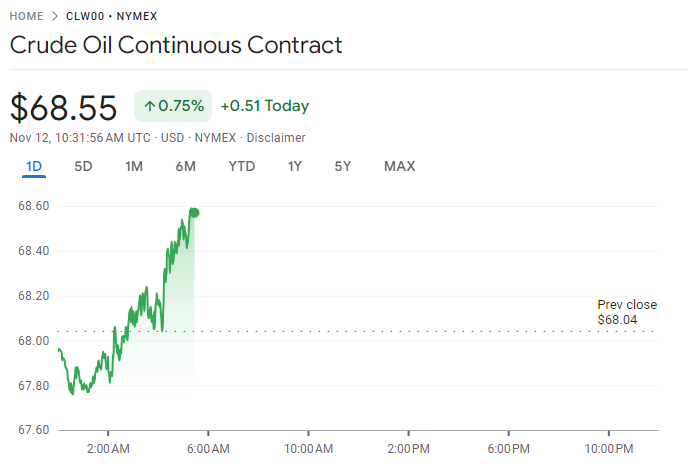
WTI crude’s recent decline reflects ongoing concerns around global demand, particularly as China’s recent economic stimulus measures fell short of direct intervention, underscoring weak demand from the world’s largest oil importer. The strengthening U.S. dollar, driven by President Trump’s re-election, has added pressure on dollar-denominated commodities, further diminishing crude’s appeal. Additionally, signs of potential conflict resolution in the Middle East are easing geopolitical risk premiums that have historically supported prices.
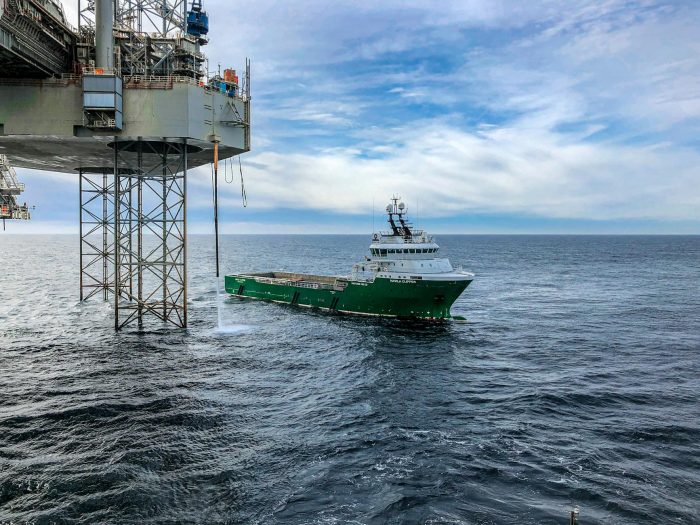
U.S. natural gas prices spiked above $2.9/MMBtu due to significant production disruptions in the Gulf of Mexico following storm Rafael. The BSEE’s report indicates that over 25% of oil and 16% of natural gas production remains offline, contributing to short-term supply constraints. These production disruptions, compounded by lingering storm activity in the Gulf, are expected to sustain upward pressure on natural gas prices in the near term.
Heating oil futures have retreated, in part due to weaker-than-expected demand from China and an increase in U.S. distillate stockpiles. The latest EIA report revealed a surprising 3 million-barrel rise in distillate inventories, along with an increase in heating oil stocks, signaling potential oversupply. Warmer-than-average temperatures forecasted across the U.S. through mid-November could further dampen heating oil demand, adding downward pressure on prices as seasonal demand lags.
With market attention increasingly focused on long-term supply-demand projections, expectations of an oil surplus in 2025 are weighing on sentiment. The upcoming OPEC monthly report will be closely analyzed for insights into projected market balances, especially as investors weigh potential production adjustments in response to shifting demand trends.
Strategic Implications:
With ongoing demand concerns, particularly from China, and a stronger dollar weighing on oil prices, a conservative approach to crude oil exposure is advised. While some long-term recovery is possible, short-term headwinds suggest that a defensive stance or selective hedging strategies could help manage downside risks, especially if OPEC’s report reinforces an oversupply outlook.
The supply disruptions in the Gulf of Mexico provide a near-term opportunity in natural gas. Given the scale of production outages, selective exposure to natural gas could offer attractive short-term returns, particularly if disruptions persist and temperatures cool later in the season. However, careful monitoring of weather patterns and production recovery rates is essential to manage potential volatility.
The recent build in distillate and heating oil inventories, coupled with warmer-than-average temperatures, suggests a cautious approach to heating oil. Current market dynamics favor a reduced exposure to heating oil, as seasonal demand may fall short of expectations. This environment may also present shorting opportunities if inventory levels continue to increase and temperature forecasts hold.
As the market looks toward a potential oil surplus in 2025, the upcoming OPEC report will be crucial for gauging future supply adjustments. Any indications of OPEC+ action to address future oversupply could impact both near- and long-term oil pricing. Investors should remain attentive to OPEC’s forward guidance, as these projections may signal important shifts in supply-side dynamics.
Enjoyed this article? Access highly trusted educational content and market research by investing in a membership.








