
The recent decline in WTI crude prices highlights the ongoing concerns about demand, particularly in light of the larger-than-expected build in US crude inventories and the EIA’s downward revision of its demand forecast for 2025. The combination of weak economic outlooks in China and North America is adding pressure to oil markets, while news of a possible ceasefire between Hezbollah and Israel has also tempered immediate fears of supply disruptions.
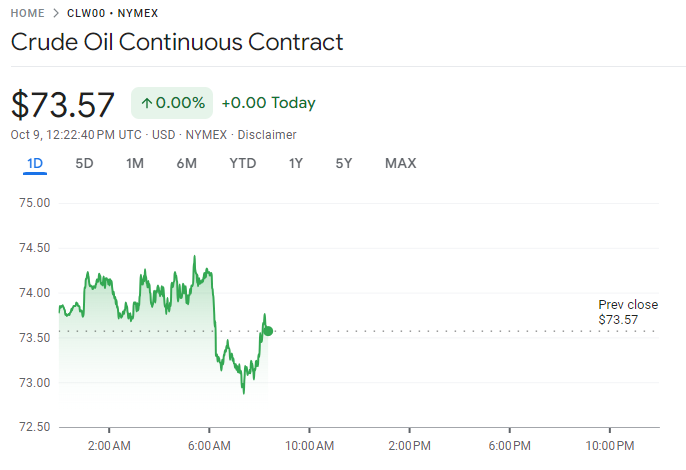
Hurricane Milton’s approach to Florida could create localized disruptions in gasoline supplies, though the broader impact on energy markets remains uncertain. Natural gas prices have softened as well, partly due to anticipated disruptions from the storm and the current lighter demand outlook for the next couple of weeks.
The pullback in gasoline and heating oil futures reflects a broader sentiment of caution. Gasoline futures have eased from recent highs, possibly due to profit-taking, while heating oil prices are retreating amid easing concerns over supply constraints and disappointing economic signals from China. The lack of substantial stimulus measures from China has left investors concerned about the sustainability of demand from the world’s largest oil importer, which has a significant influence on global commodity markets.
Amid these dynamics, geopolitical risks remain a wild card. Investors are still closely watching the situation in the Middle East, where concerns persist over potential Israeli actions against Iran’s oil facilities. President Biden’s caution against such moves suggests a preference for de-escalation, but any escalation could quickly reignite fears of supply disruptions.
Overall, the energy market appears to be navigating a complex landscape of softening demand, adequate supply, and geopolitical tensions, with the potential for further volatility as these factors evolve.

Like this article? Access highly trusted market research and educational content by investing in a membership to become part of our community.