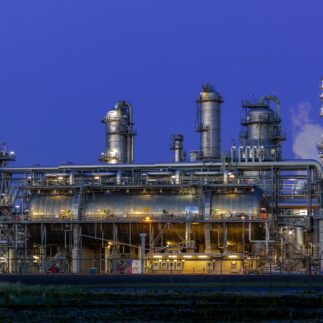
The rebound in WTI crude oil prices is largely driven by Hurricane Helene’s impact on Gulf of Mexico production, which has forced a significant portion of output to be shut down. The 25% reduction in oil production in the Gulf highlights the vulnerability of supply chains to natural disasters, temporarily boosting prices after Thursday’s sharp sell-off. However, despite this recovery, the market remains under pressure due to reports that Saudi Arabia and OPEC+ plan to increase production later this year, adding to global supply concerns.
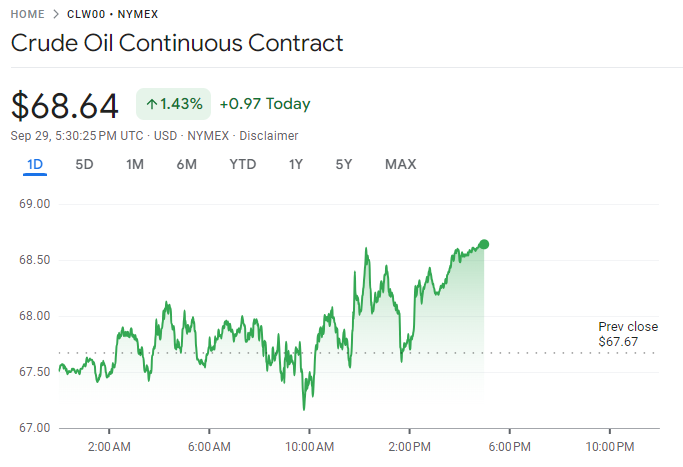
The balancing act between China’s stimulus measures, aimed at reviving its economy and boosting demand, and the reality of weak demand from the world’s top oil importer is also contributing to the volatility in oil prices. The broader trend, with WTI still down nearly 6% for the week, underscores the market’s concerns over both supply and demand factors.
In the heating oil market, the combination of rising inventories and expectations of increased supply from Saudi Arabia and Libya is putting downward pressure on prices, despite some support from lower crude and distillate stockpiles.
Meanwhile, natural gas prices have surged due to the storm’s disruption in the Southeast, affecting production and leaving millions without power. Strong demand for LNG exports, particularly from the Plaquemines plant, is further supporting prices, which have been on an upward trend for five consecutive weeks. The limited impact of the storm on LNG facilities has helped maintain robust demand, while production disruptions have tightened supply, contributing to the sharp rise in natural gas futures.
Overall, the energy market is being pulled in multiple directions by supply disruptions, demand concerns, and geopolitical factors, and it remains highly sensitive to further developments in these areas.

Enjoyed this article? Access highly trusted educational content and market research with a membership.