
WTI crude oil prices appear to be caught between competing forces. On one hand, the potential supply disruptions due to rising tensions in the Middle East, particularly following the explosions in southern Lebanon, have heightened geopolitical risks, which could support prices. At the same time, the Fed’s larger-than-expected 50 bps rate cut could stimulate economic activity and boost oil demand, adding to the short-term bullish sentiment.
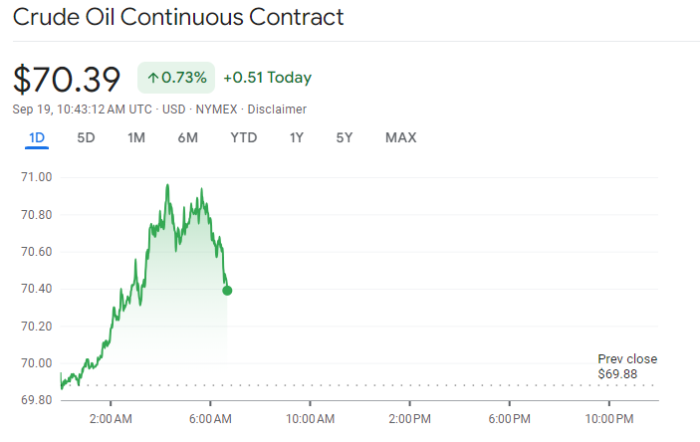
However, this optimism is tempered by two key factors: Fed Chair Powell’s comments that the central bank is not in a rush to continue cutting rates, signaling that further monetary easing may not come as quickly as some expected; and the ongoing demand concerns from China. As the world’s largest oil consumer, China’s weak economic data continues to weigh heavily on the market, limiting upside potential for crude prices. Furthermore, the looming supply increase from OPEC+ is adding downward pressure as traders anticipate more oil entering the market.
In summary, while geopolitical risks and the Fed’s rate cut are offering some support, the broader picture remains uncertain due to China’s weak demand and OPEC+ supply dynamics, keeping crude prices fluctuating around current levels.

Enjoyed this article? Access highly trusted educational content and market research with a membership.