
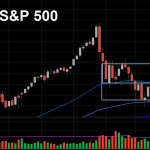
The US stock futures indicate a potential rebound amidst ongoing volatility across major indices, following a consecutive session downturn influenced by profit-taking and valuation reassessment. The movements reflect investor caution and recalibration of expectations tied to interest rate trajectories and the burgeoning enthusiasm around artificial intelligence.
Market Dynamics
- Equity Markets: The Dow Jones Industrial Average and S&P 500’s marginal declines, alongside the Nasdaq Composite, underscore a cautious market sentiment. The sectoral downturn, led by utilities, energy, and technology, signals a broader reassessment of market valuations post-rally. This reassessment is crucial for investors navigating short-term uncertainties against a backdrop of interest rate cut speculations and AI-driven market optimism.
- Corporate Movements: Apple’s dip, amidst declining iPhone shipments in China, contrasts with Tesla’s gain following Elon Musk’s Full Self-Driving technology announcement. Additionally, Trump Media’s significant surge and Reddit’s continued post-IPO gains highlight the market’s speculative nature and the impact of strategic corporate announcements on stock performance.
- Currency Markets: The dollar index’s approach to six-week highs reflects a complex interplay of domestic economic indicators and global central bank policies. Investor anticipation of the US PCE price index report underscores the critical role of inflation data in shaping Fed’s monetary policy outlook.
Strategic Implications
- Investment Diversification: Investors should consider diversifying across sectors less susceptible to immediate market sentiment swings, especially utilities and technology, balancing between growth potential and valuation realism.
- Currency Market Vigilance: The evolving dynamics in the currency markets, highlighted by the dollar’s strength against a backdrop of divergent global central bank actions, necessitate a vigilant approach to forex exposure and hedging strategies.
- AI Sector Opportunities: The burgeoning investor interest in artificial intelligence, underscored by Tesla’s recent gains, presents long-term growth opportunities. Investments in AI-driven companies should be evaluated for their technological edge and market penetration potential.
- Global Monetary Policy Monitoring: Continuous monitoring of global central bank decisions and domestic economic indicators is imperative for adjusting investment strategies in response to interest rate expectations.
The current market environment, characterized by a likely technical rebound and ongoing volatility, calls for a strategic and well-informed approach to investment. By balancing sector diversification, currency market vigilance, and a focus on AI-driven growth opportunities, investors can navigate the complexities of the market while aligning with long-term financial objectives. The anticipation of upcoming economic reports further emphasizes the need for agility in investment decision-making processes amidst fluctuating interest rate landscapes.
Scenario 1: Enhanced AI Integration Across Sectors
- Overview: Rapid advancements and increased integration of artificial intelligence (AI) technologies across various sectors significantly boost productivity and innovation, leading to a surge in AI-related stocks.
- Strategic Insights: Investors should increase exposure to AI-centric companies, particularly those with patented technologies and robust R&D pipelines. Additionally, consider diversifying into sectors like healthcare, finance, and automotive, which stand to benefit significantly from AI advancements.
Scenario 2: Persistent Inflation and Delayed Rate Cuts
- Overview: Inflation remains stubbornly high, prompting the Federal Reserve to delay anticipated rate cuts. This scenario could result in increased market volatility and pressure on growth stocks.
- Strategic Insights: Shift towards value stocks and sectors less sensitive to interest rate fluctuations, such as consumer staples and utilities. Investors may also explore inflation-protected securities to hedge against persistent inflationary pressures.
Scenario 3: Accelerated Global Monetary Divergence
- Overview: Major economies diverge in their monetary policies, with some central banks initiating rate cuts while others, including the Fed, adopt a wait-and-see approach, leading to significant currency market fluctuations.
- Strategic Insights: Enhance currency risk management strategies and consider allocating assets towards regions with favorable monetary policies. Investing in multinational corporations that can benefit from currency disparities may also provide a strategic advantage.
Scenario 4: Tech Sector Regulatory Challenges
- Overview: Increased regulatory scrutiny on leading tech companies, particularly around antitrust concerns and data privacy, impacts stock valuations and sector dynamics.
- Strategic Insights: Investors should closely monitor regulatory developments and potentially reduce exposure to high-risk tech stocks. Diversifying into emerging tech areas less likely to face immediate regulatory hurdles, such as quantum computing or blockchain technology, could offer alternative growth opportunities.
Scenario 5: Sudden Shifts in Consumer Sentiment
- Overview: A rapid change in consumer sentiment, possibly due to geopolitical tensions or unexpected economic data, affects discretionary spending and impacts the consumer discretionary sector.
- Strategic Insights: Focus on companies with strong brand loyalty, pricing power, and diversified revenue streams to mitigate the impact of sudden shifts in consumer sentiment. Additionally, consider defensive sectors that typically perform well during times of consumer uncertainty.