
Copper futures have soared, breaching the $4.0 per pound mark, a zenith not seen in over seven months. This uptick follows a consensus among top Chinese copper smelters to curtail production at certain unprofitable facilities, a move prompted by acute raw material shortages.
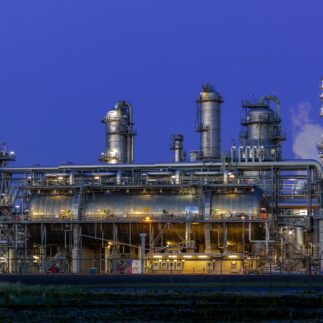
Smelters’ Response to Price Plunge: The backdrop to this decision is the dramatic fall in copper concentrate prices to a ten-year low, significantly squeezing smelters’ margins. While no uniform production caps were set, individual smelters are tasked with assessing their operational viability and adjusting output accordingly.
Strategic Shifts in Production: Discussions among smelters also broached the subject of diversifying input materials, notably increasing the use of copper blister. This strategy aims to mitigate the dependency on copper ore concentrate, potentially steadying production amidst concentrate scarcity.
Iron Ore and Steel Market Pressures:
- Iron Ore Price Decline: Iron ore prices have concurrently dipped to $110 per tonne for cargoes with a 63.5% content for delivery in Tianjin, marking a seven-month low. This drop reflects subdued demand from China, the world’s foremost iron ore consumer.
- Steelmaker Caution: The demand lull has led to a cautious stance among Chinese steelmakers, who are delaying inventory replenishment due to slow production ramp-ups and an abundance of steel stocks compared to the previous year.
Real Estate and Construction Sector Impacts:
- Lack of Policy Support: The recent National People’s Congress in China did not introduce significant measures to buoy the property sector, contributing to the somber market sentiment.
- Construction Season Slowdown: A sluggish commencement of the construction season further strains steel demand, compounding the challenges faced by the industry.
Investment Insights:

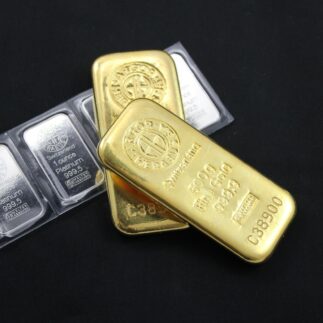
- Diversify within Commodities: Given the volatility in copper and iron ore prices, investors should consider diversifying their commodity holdings to include precious metals such as gold and silver, which traditionally act as safe havens during market uncertainties.
- Consider Commodity-Linked Equities: For those looking to capitalize on the current market dynamics without direct exposure to commodity price fluctuations, investing in the equities of companies within the mining and smelting sectors that have demonstrated operational efficiency and cost-effectiveness could offer a buffered investment avenue.
- Watch for Infrastructure Initiatives: Any governmental policy shifts or announcements related to infrastructure spending, particularly in China, could significantly impact demand for copper and steel. Investors should remain vigilant and ready to adjust their positions based on such developments.
- Explore Environmental, Social, and Governance (ESG) Opportunities: With an increasing focus on sustainable and responsible mining, investments in companies that are leading in ESG initiatives within the copper and iron ore sectors may present long-term growth opportunities.
Potential Scenarios:
- Rebound in Chinese Demand: A resurgence in demand from China, either due to policy support for the construction and property sectors or a broader economic recovery, could rapidly reverse the current downtrends in copper and iron ore markets, presenting a bullish scenario for these commodities.
- Prolonged Production Cuts: If copper smelters extend production cuts well into the future due to ongoing raw material shortages, the reduced supply could further drive up copper prices, benefiting investors who have positioned themselves in copper or related equities early.
- Global Economic Slowdown: A slowdown in the global economy could dampen demand for commodities across the board, leading to a bearish scenario for both copper and iron ore prices. Investors might consider hedging against such risks by allocating a portion of their portfolio to fixed-income securities or other non-correlated assets.
- Technological and Substitution Impacts: Advances in technology or shifts towards alternative materials in response to high commodity prices could influence long-term demand dynamics for copper and iron ore. Keeping an eye on innovation and market adaptation trends will be crucial for adjusting investment strategies accordingly.