
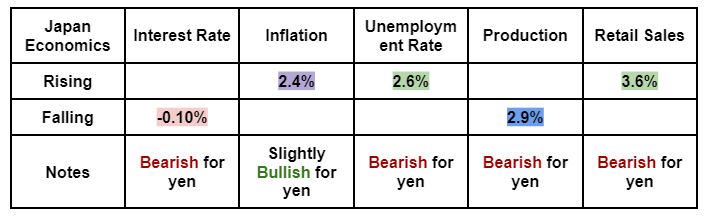
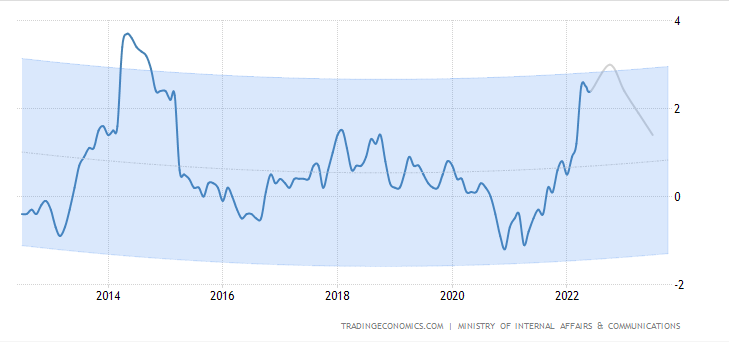
The Bank of Japan kept its interest rate steady at minus 0.1% which is bearish for the Japanese yen in combination with the current monetary ultra-easing policy which let the yen have declined for several months against the major global currencies. The inflation rate eased slightly from 2.5% to 2.4% which might be supportive on the short-term perspective while the steady increase since October 2021 may have its bearish effect on the yen, mainly due to raising energy and food prices. Forecast of the inflation rate pointing to the downside as the rate might reverse around the upper standard deviation level of the mean which might be supportive for the yen.
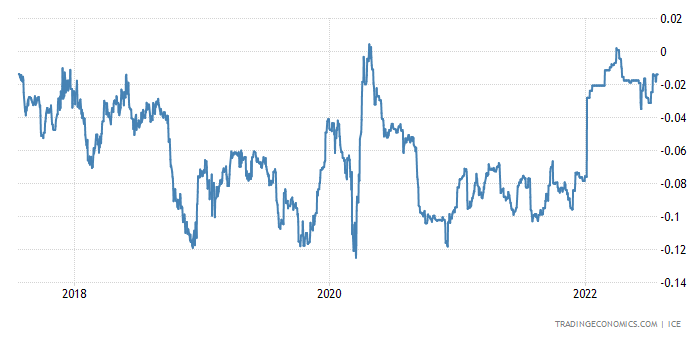
From the recent central bank meeting it is citing a slowdown in overseas economies and persistent supply chain issues due to the prolonged situation in Ukraine – this let the central bank cut its 2022 GDP growth forecast to 2.4% from 2.9%. The BoJ also mentioned that it would continue to buy unlimited amounts of the bonds – this should keep the yen under pressure against the basket of the global central banks which tighten. However, the interbank rate increased this Year which might be a support for the Japanese currency.
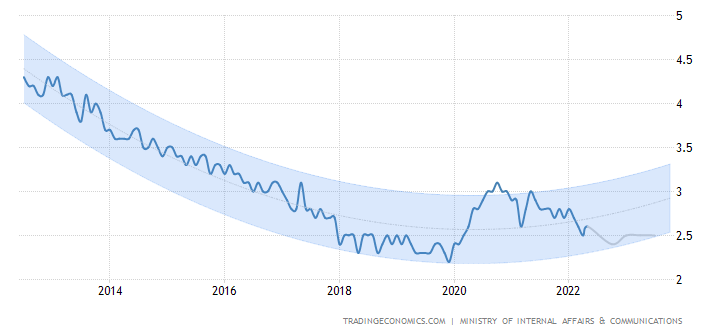
Moving forward to the unemployment rate we can see the increase towards 2.6% which eventually have a bearish effect on the short-term perspective while the macro perspective seemingly is around the lows which should benefit the currencies’ value in the median- to long-term perspective. Forecasts pointing to the downside which might be supportive for the economic growth while the value of the currency depends on the demand or supply shift and its effect on the inflation.
Industrial and manufacturing production fell but eased higher towards -2.9% on an average. Lower production is inflationary which pressures the currency’s value. Covid lockdowns brought the production under pressure which is visible on the currencies’ strong deprecation.
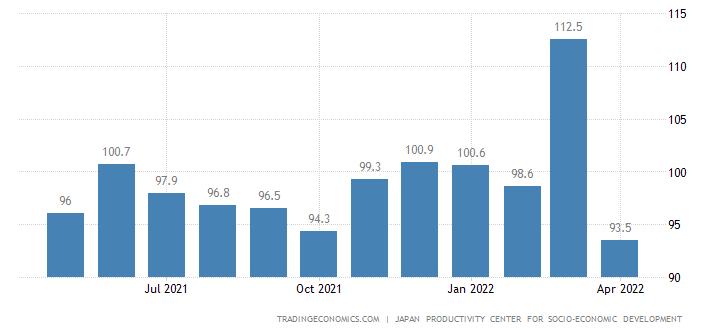
Increased retail sales might be supportive for the short-term perspective but have its inflationary effect as of higher demand which might be bearish for the yen.
As the Bank of Japan keeps up with its ultra-ease monetary policy with higher money supply while the gap widens between the Japanese central bank and the U.S FED with its more aggressive approach to hike interest rates with tightening leads the yen to be pressured.
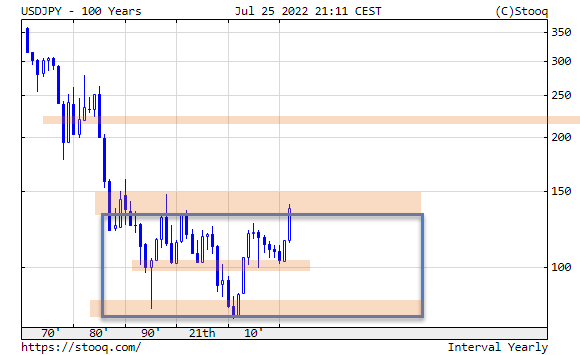
Technically, looking at the macro cycle of the USD/JPY we can observe that the rate reached the macro bracket extreme which might be able to turn the current trend to let the yen appreciate against the dollar. Investors may look for safe-haven assets, depending on the stream of the economic data and news which will have its potential confluent bullish effect on the Japanese currency.
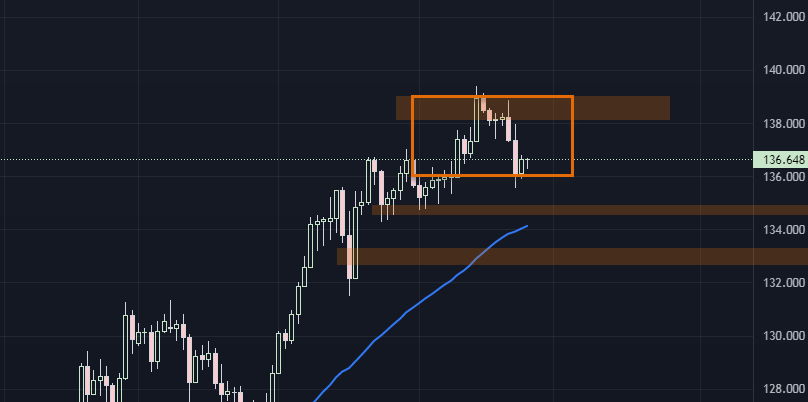
The daily interval seemingly forming a balanced rate range as traders may lean on the extremes of the bracket. The yen appreciated for about six days, testing the prior distribution’s mean for supportive dollar buyers and yen shorts which could lead the the rate back towards the bracket highs to find new yen long positions.

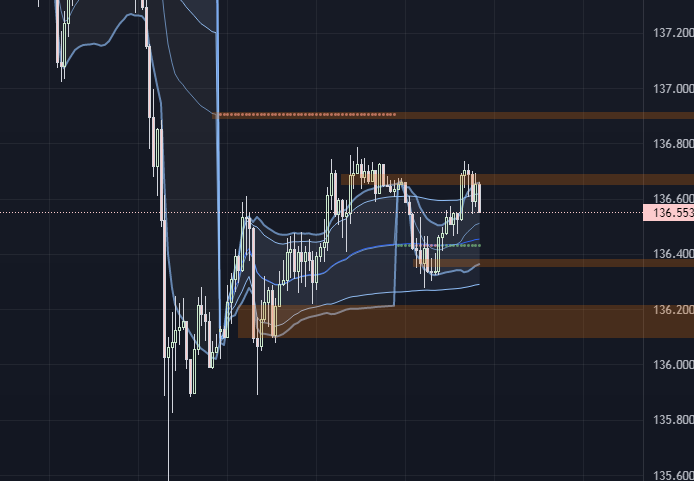
The short-term perspective trades around the upper week’s value extreme which might leading to dollar shorts and yen longs, targeting a rotational play towards the weekly DVAL. Dollar buyers might emerge around the swing lows with potential absorption behavior.
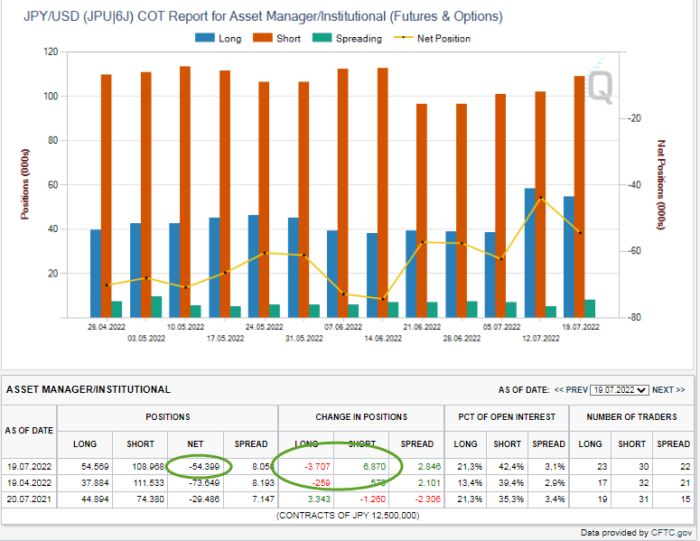
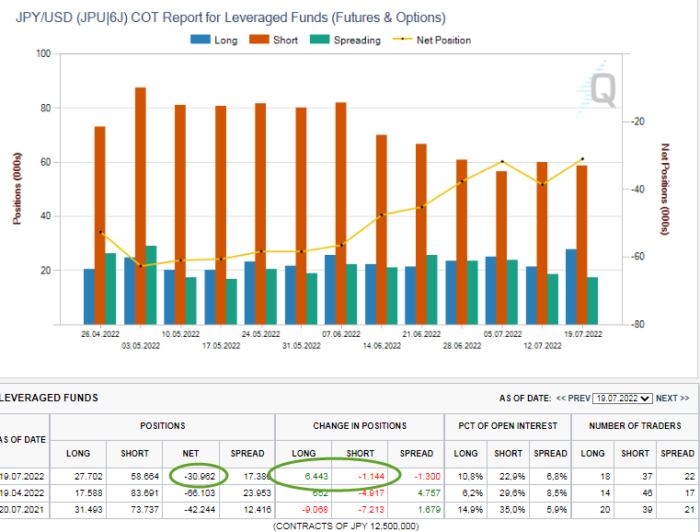
Asset managers were net selling Japanese yen Futures contracts with long liquidations and new short positions while the Leveraged Funds sector net bought with new long positions and short covering which was giving the market a mixed view in the prior week. This might lead the currency into a balanced behavior on the daily perspective.
This post originated firstly appeared on and was written by The Private Banker.








