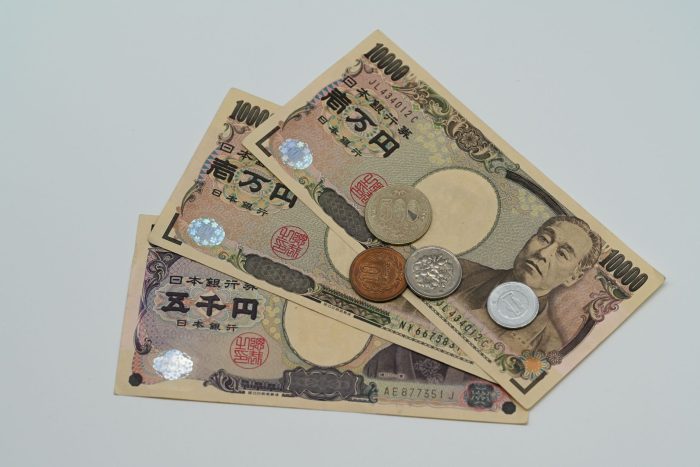
The Japanese yen is heading into the end of the week having surrendered nearly half of its intervention-driven gains against the US dollar. The currency traded around 158.45 to 158.48 per dollar on Aug. 7, well off the strongest level of 155.23 reached on Aug. 3. It had stood near a four-decade low of around 164 per dollar last week before Japan and the United States conducted coordinated yen-buying operations.
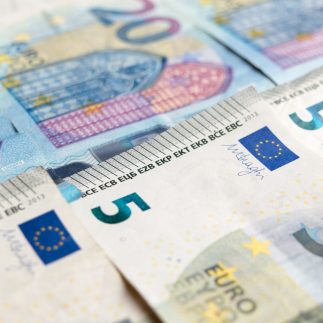
Japanese authorities are estimated to have spent about $53 billion on July 30, based on Bank of Japan account data compared with money-broker forecasts, in what would rank as the largest single-day intervention on record if confirmed. A further roughly $34 billion was deployed on July 31. The US contribution is estimated in the $5 billion to $10 billion range, with the Treasury selling euros rather than dollars. Officials in both Tokyo and Washington have stated they will not hesitate to act again if disorderly movements resume.
The yen’s recovery from the July lows of near 164 represented a move of more than 8 yen at the peak. The subsequent retreat of roughly 3.2 yen leaves the pair near 158.45. Against the Singapore dollar the yen has also given back part of an earlier 4 percent advance, trading at 123.38 on the morning of Aug. 7 after reaching 121.503 on Aug. 3. The dollar posted its largest daily gain in two weeks on Aug. 6 as oil prices rose amid reduced expectations of an easing in Middle East tensions.
Finance Minister Satsuki Katayama confirmed the joint action on July 31 and said the Ministry of Finance remains in close contact with the US Treasury. US Treasury Secretary Scott Bessent and President Donald Trump both described the operation as a response to disorderly movements and signaled readiness for further coordinated steps. Bank of Japan Governor Kazuo Ueda’s policy board kept the overnight rate at 1 percent on July 31 by an 8-1 vote, with one member dissenting in favor of an immediate rise to 1.25 percent. The central bank noted upside risks to underlying inflation and indicated policy discussions from the next meeting onward would focus on those risks.

The dominant narrative frames the joint intervention as a decisive break from prior unilateral Japanese efforts that failed to hold. Yet the yen has already retraced nearly half the post-intervention appreciation within days, mirroring the pattern seen after Japan’s April-May 2026 operations that totaled 11.73 trillion yen and after earlier campaigns in 2024 and 2022. Those earlier moves also produced temporary strength that fully unwound within weeks. Interest-rate differentials between Japan and the United States remain wide, Japan’s public-debt burden continues to weigh on the currency, and geopolitical factors tied to energy prices persist. Speculative net short positions in the yen stood near multi-year highs before the latest operations, and the retreat toward 158 suggests those positions have not been fully squeezed. US participation involved euro sales and access to the Federal Reserve’s FIMA repo facility rather than pure dollar sales, a structure that limited direct pressure on Treasury yields but did not alter the underlying yield gap driving capital flows.
The July 30 intervention occurred during New York trading hours ahead of the Bank of Japan’s policy announcement, catching markets outside Tokyo hours. Central-bank account discrepancies used to estimate the $53 billion figure on that day and the $34 billion figure the following day remain unofficial pending the Ministry of Finance’s formal disclosure, scheduled for late August. The US portion of the operation drew on the Exchange Stabilization Fund and System Open Market Account, whose combined foreign-currency holdings stood near $38 billion prior to the move, with a roughly 70-30 euro-yen split. Japanese retail margin traders held a record implied short position in dollar-yen of about $17.65 billion in the period leading into the intervention, larger than the probable size of the official purchases; those positions appear to have been reduced rapidly once the yen strengthened, contributing to the subsequent rebound…